Not Every Open Space Needs To Be Developed
By Mariana Sandoval, Arizona State Representative and HECHO’s Hispanic Conservation Leadership Council member.
I have been living in Arizona for 19 years, all of that time in Goodyear, which is far west of the metropolitan Phoenix area. While I had heard of the Great Bend of the Gila, I didn't know much about it other than its significance to at least 13 federally recognized tribes that maintain cultural, historical, and ancestral ties to these lands.
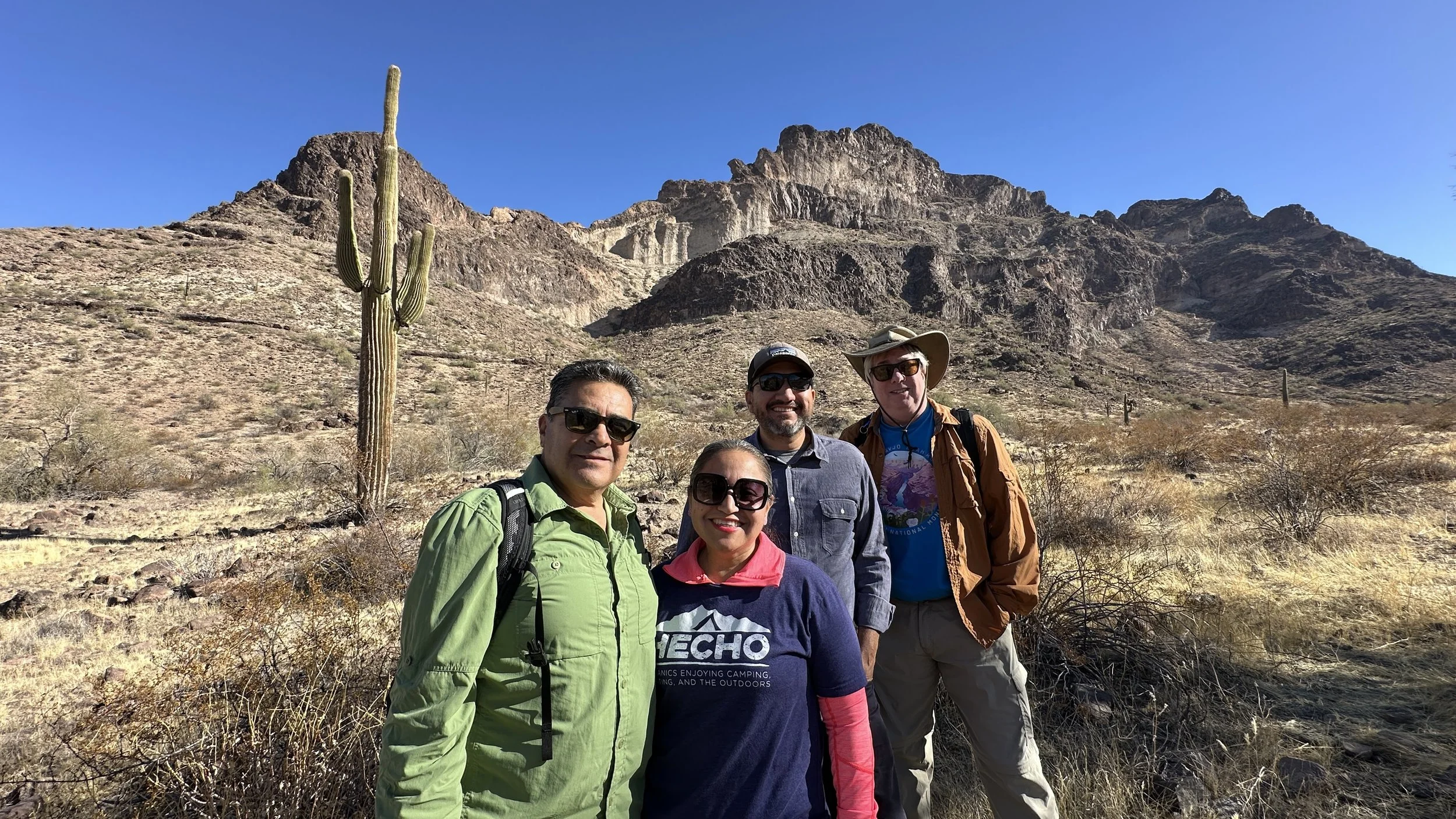
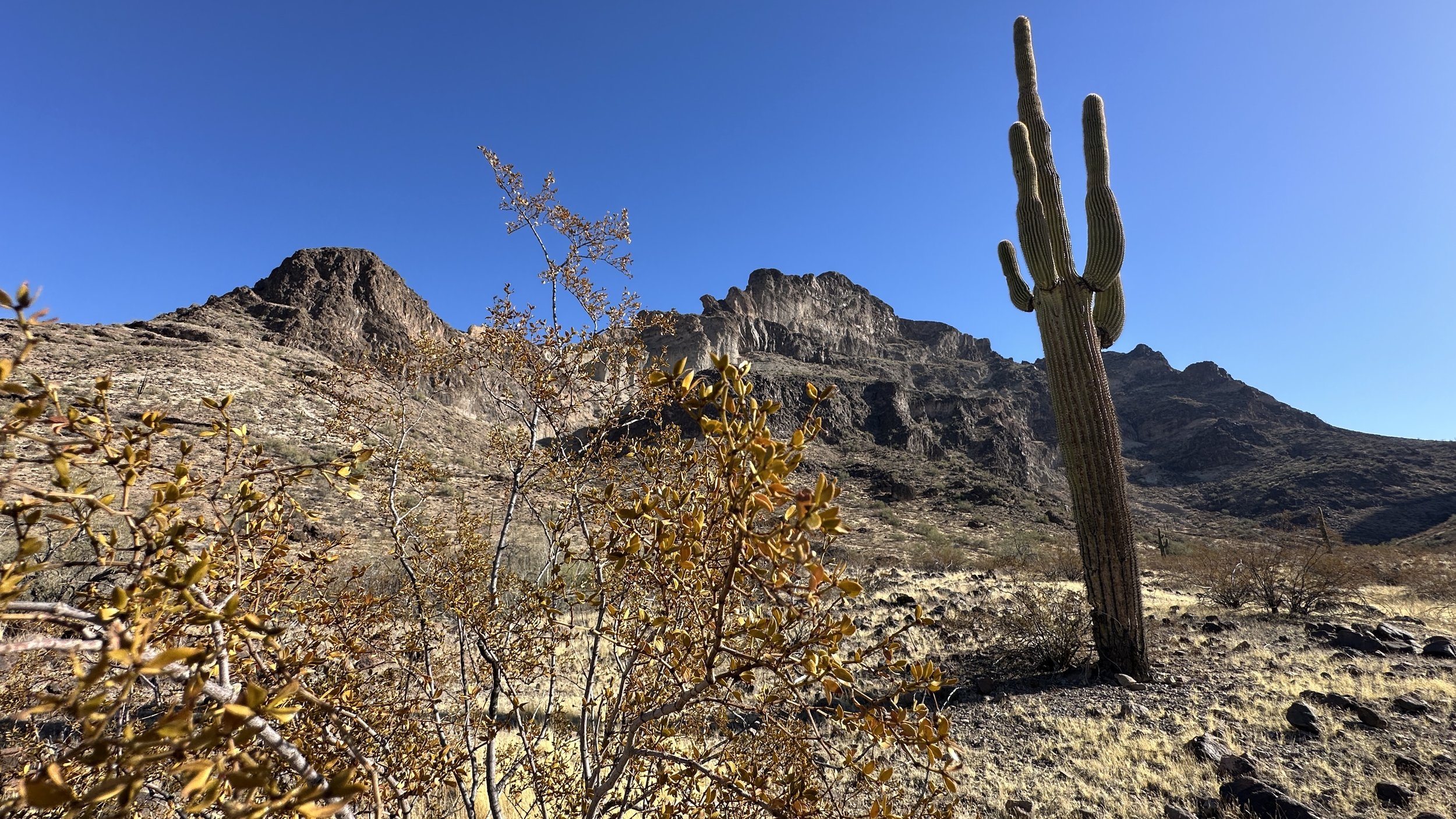
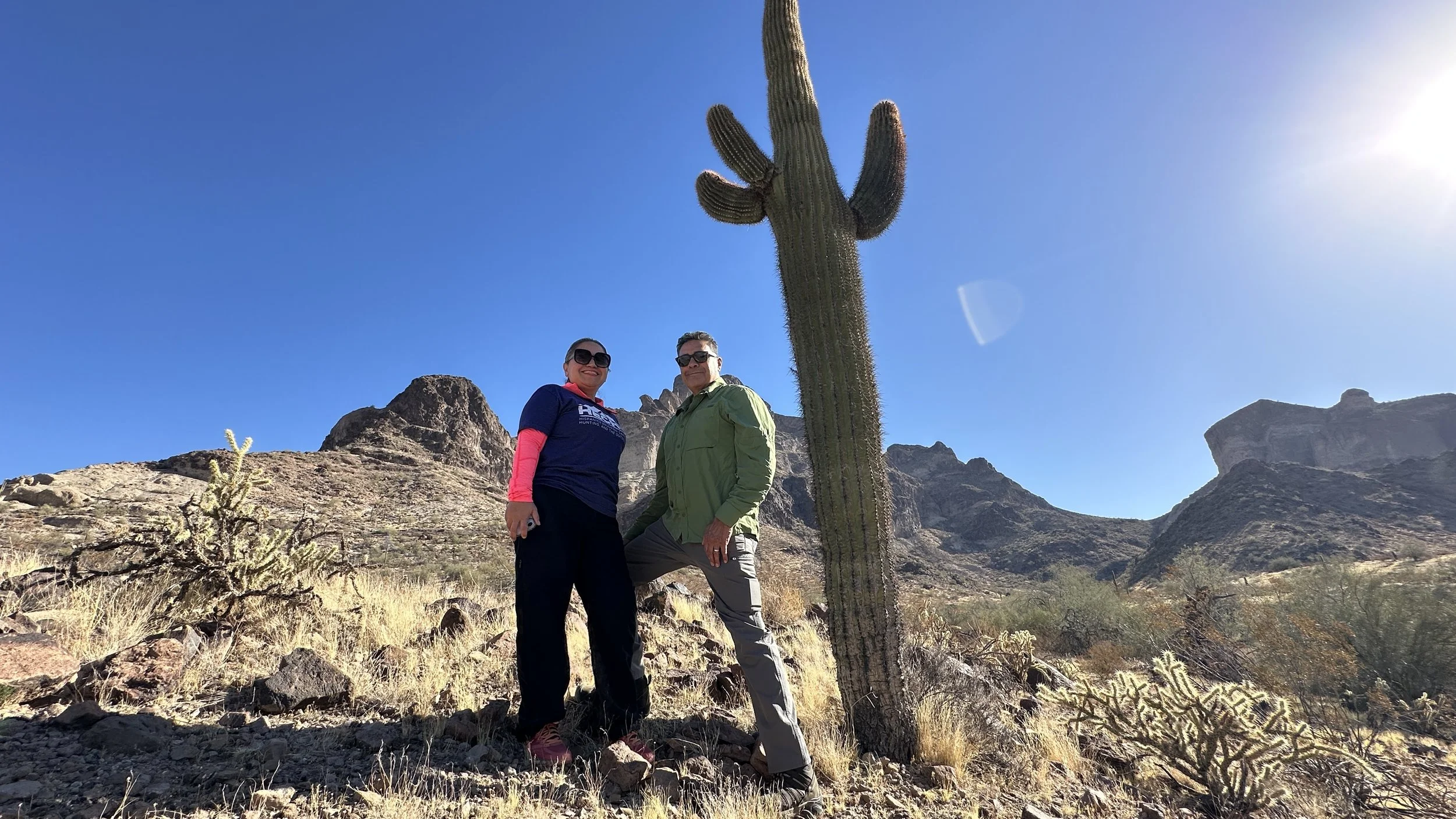
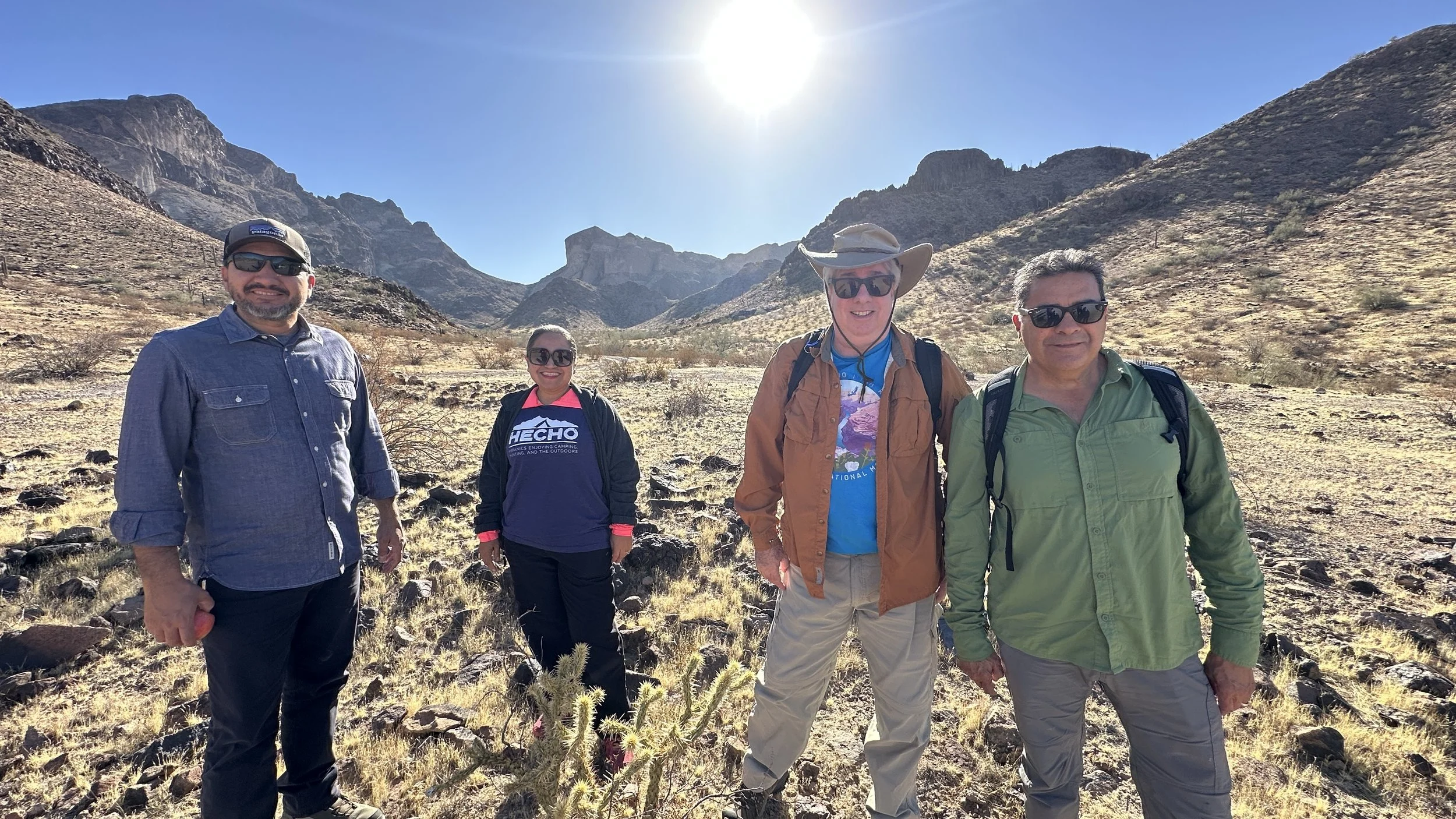
Visiting Saddle Mountain, located between Phoenix and Yuma in the Great Bend of the Gila area, was a peaceful and eye-opening experience. Although it is very close to Interstate 10, making our communities easy to access, once you arrive, you feel a world away from the bustle and hustle of the city. Reconnecting with nature is beneficial not just for the body, but also for the mind and soul.
Unfortunately, many beautiful open spaces are disappearing. In fact, every minute, our planet loses an area equivalent to a football field due to urban expansion and land alteration. It is crucial to protect the remaining wildlands, such as the Great Bend of the Gila. I have witnessed the changes in the landscape in my own backyard. When I moved to Arizona, my home in Goodyear was surrounded by cotton fields, but now they are gone. A major freeway now cuts through my neighborhood.
Phoenix is one of the fastest-growing cities in the United States, particularly in the western region. As this metropolis continues to expand and develop, it is increasingly important to preserve more open and green spaces for current and future generations to enjoy and recreate in.
In addition to the recreational and ecological value of protecting the public lands of the Sonoran Desert, we must respect the lands of our Native American brothers and sisters, who have lived here for millennia. They exemplify a deep love for nature and demonstrate what it means to be responsible stewards of the land.
Not every open space needs to be developed.