A Beginner’s Guide to Fishing in Arizona: Expert Tips for First-Time Angler
With year-round sunshine, stunning desert lakes, cool mountain streams, and fish found nowhere else on Earth, Arizona is one of the most unique places to cast a line. If you’re new to fishing and not sure where to start, we’ve got you covered.
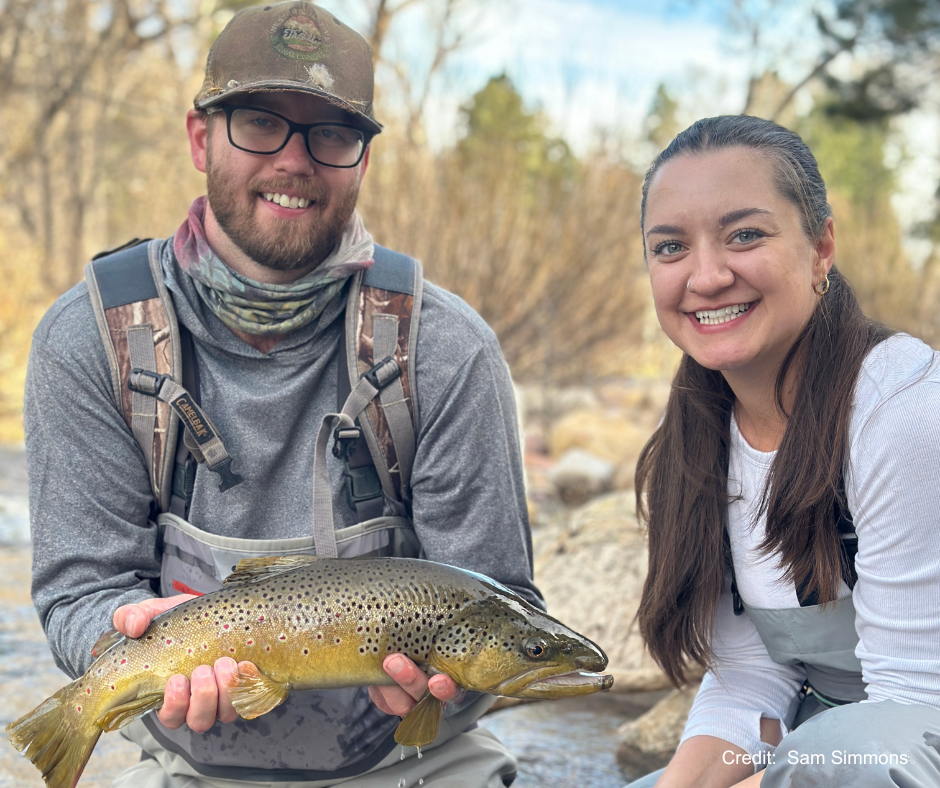
HECHO spoke with two Arizona Game and Fish Department experts, Habitat Program Manager Robert Lamoureux and Rivers and Stream Specialist Sam Simmons, who share practical, beginner-friendly advice to help you fish with confidence and have fun doing it.
HECHO: What basic fishing gear does every beginner need to start?
Sam Simmons: Start with the essentials: a rod, reel, and fishing line. The easiest way is to buy a combo, which is a rod and reel together, usually already spooled with line. Beyond that, you’ll want a few basic supplies: hooks, sinkers, bobbers, and a small assortment of lures depending on what you’re targeting. Live bait is great for beginners, nightcrawlers are a classic and an easy way to start. That’s how I learned as a young angler.
HECHO: How much should a beginner expect to spend on starter gear?
Robert Lamoureux: You can expect to spend about $30–$50 for a full combo. I recommend staying around $30 if possible. Cheaper setups can tangle more easily, and dealing with constant line issues takes the fun out of fishing. A classic beginner setup is a Zebco spincast combo, the push-button style. It’s simple, reliable, and perfect for bluegill, trout, bobber and nightcrawlers fishing. Look for a medium-action rod, which just refers to how much it bends, and medium is a great all-around choice.
HECHO: Are there any Arizona-specific gear considerations?
Sam Simmons: A lot depends on the species and water conditions. Certain fish are going to react different to different baits or lures. In clear water, fish are more cautious. You may want lighter line and more natural-looking lures. In muddy or stained water, you can use heavier line and darker or larger lures so fish can see them better. If you’re hiking into remote spots, pack light. Bring only what you really need.
Robert Lamoureux: In Arizona, heat is a big factor. Wear sunscreen, sunglasses, and protective clothing. A “buff” (neck gaiter) helps protect your face and neck. When you’re staring at water for hours in bright sun, good eye protection makes a big difference.
HECHO: What optional tools make fishing easier or more enjoyable for beginners?
Robert Lamoureux: Nail clippers are one of the easiest and most useful tools for cutting line. A small multi-tool with pliers and a knife is also extremely handy.
Sam Simmons: A landing net helps a lot, especially with fish that have multiple hooks on a lure. It makes handling the fish easier and safer for your hands.
HECHO What are the most common mistakes beginners make when starting out?
Sam Simmons: Not moving enough. If you’re not getting bites, try a new spot. Don’t stay stuck in one place too long. Another common issue is using the wrong gear for the fish you’re targeting. For example, trout have small mouths, you don’t want to use large hooks meant for bass or catfish.
Robert Lamoureux: I would add not changing your fishing line often enough. Especially with closed reels, line can develop “memory” if it sits in a garage for a year, for instance. That leads to tangles. Respooling regularly helps prevent frustration.
HECHO: What are the best beginner-friendly fishing spots in Arizona?
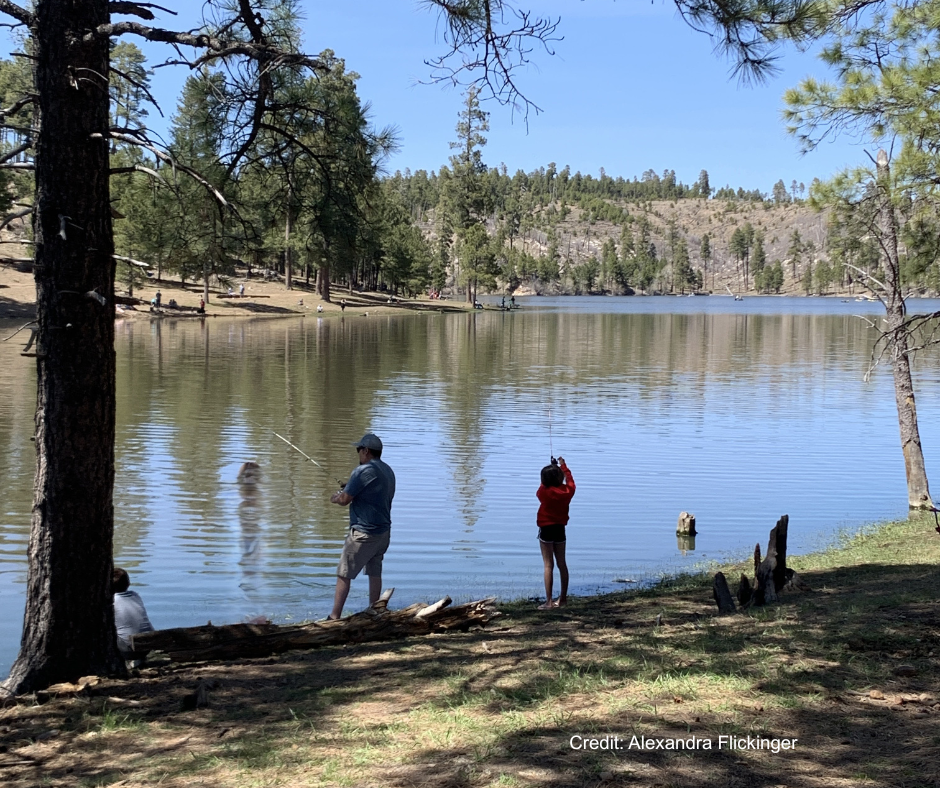
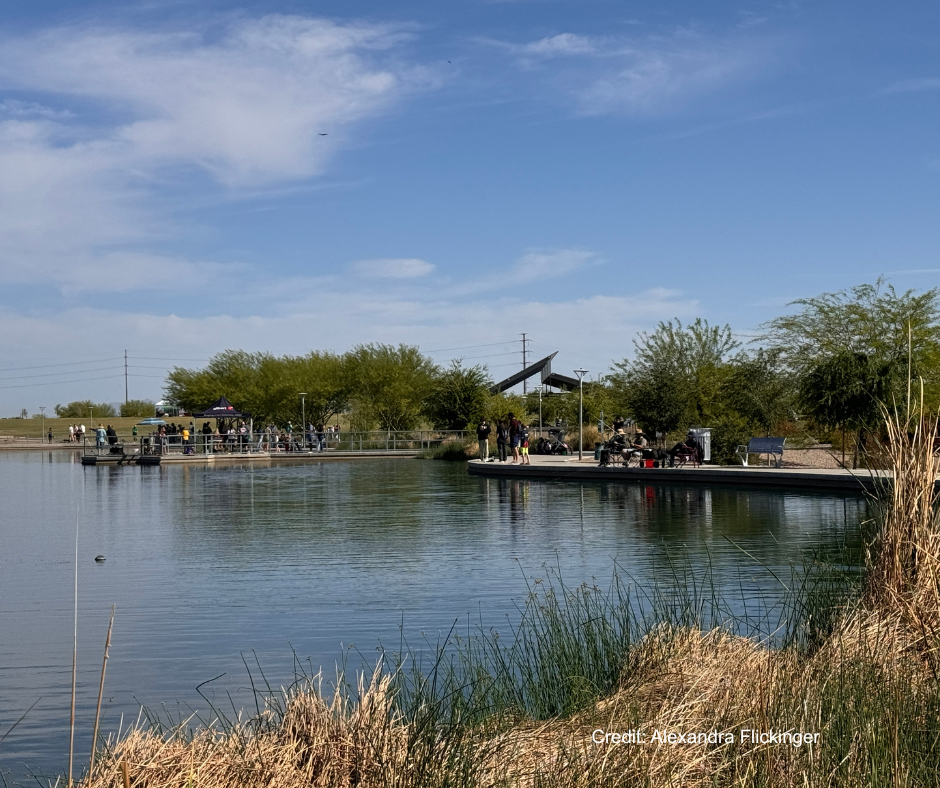
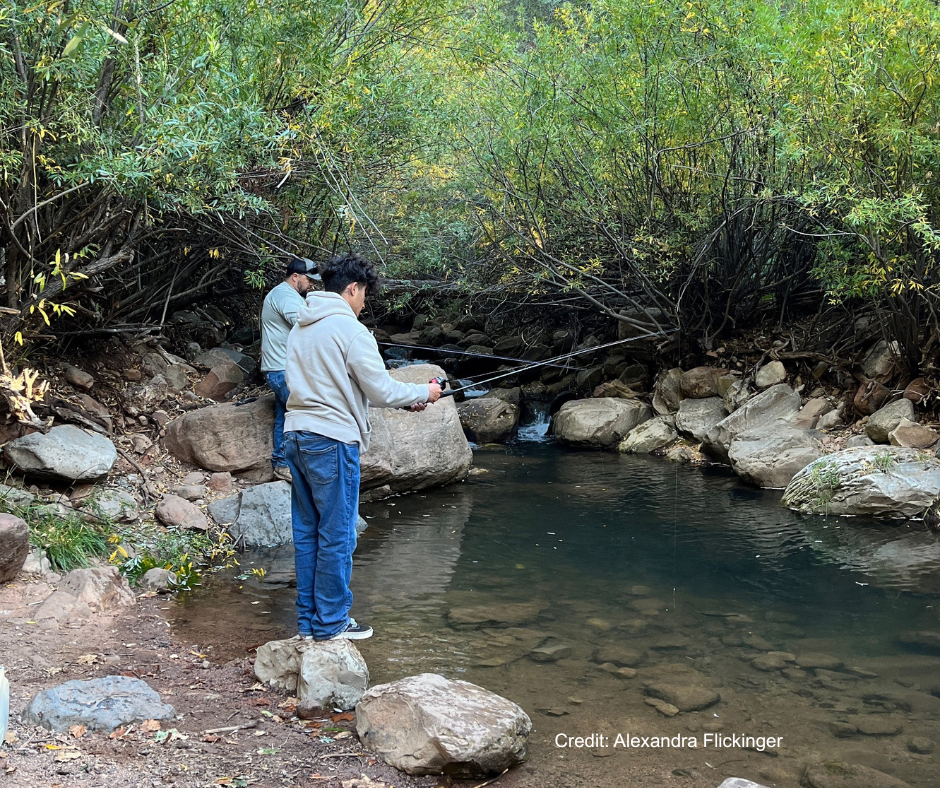
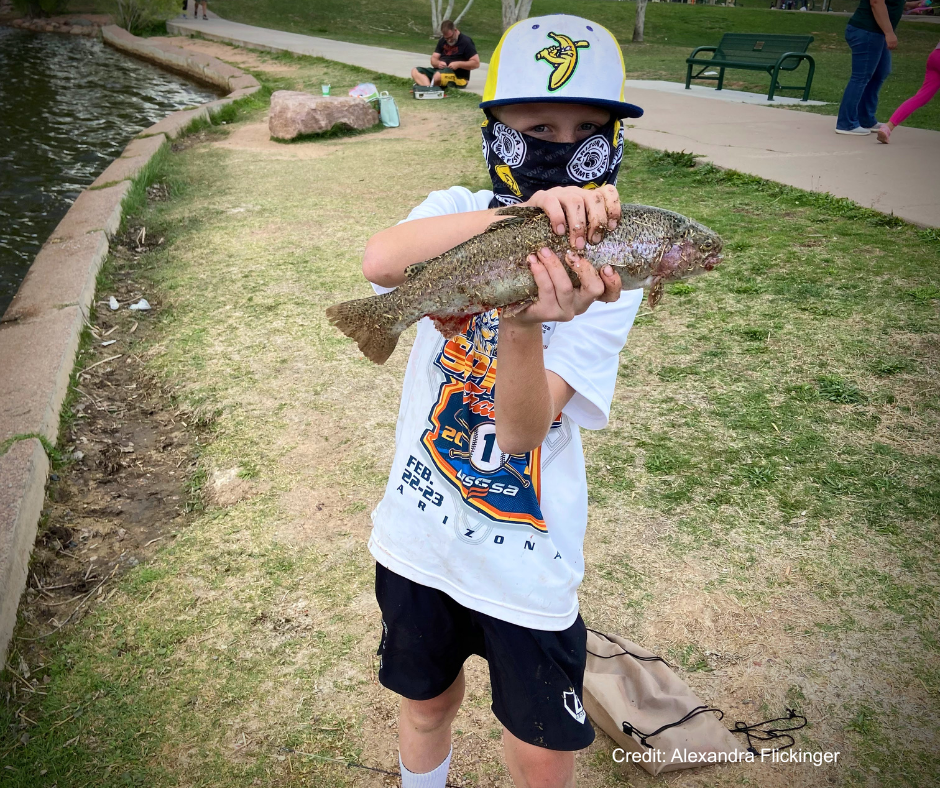
Sam Simmons: Arizona has community fishing waters around Phoenix, Tucson, and other cities. These are fisheries that are stocked with trout in winter and channel catfish in spring and fall. They’re perfect for beginners who don’t want to travel far. The Salt River is also a good winter trout option closer to Phoenix. If you can head north, try trout lakes and streams around Payson. Willow Springs and Woods Canyon are stocked weekly and are great places to learn. There are many online resources for places to fish, including an interactive map to explore all the fishing waters in the state. We also encourage everyone to visit the FishAZ Network, where you can find events and classes for anyone.
HECHO: Who needs a fishing license in Arizona?
Robert Lamoureux: Anglers 10 years of age or older must possess a state fishing license while fishing in any state or public community water. There are different license types in Arizona. The cost for general fishing is $37 for residents and $55 for non-residents. The cost for a combination hunt & fish license is $57 for residents, and $160 for non-residents. Arizona also offers a youth combination fish and hunt license for children ages 10–17, which costs only $5. This affordable option helps make it easier for young people to get outdoors and start learning about fishing and conservation. All licenses are valid for one year from the date of issuance.
HECHO: How can beginners obtain an Arizona fishing license?
Robert Lamoureux: Licenses may be purchased on-line or at Arizona Game and Fish offices. You must carry proof while fishing. A physical copy, receipt, or electronic version on your phone is acceptable as long as it shows valid dates.
HECHO: What happens to those who fish without a license?
Robert Lamoureux: Typically, you’ll receive a citation. Arizona Game and Fish Wildlife Officers may use discretion, but you’re expected to have a valid license and they can check you at any time while you are fishing.
HECHO: Are there any license exemptions or free fishing days?
Robert Lamoureux: Arizona offers one free fishing day each year, usually the first Saturday of National Fishing and Boating Week. In 2026, that date is June 6. Occasionally, special events, such as the Tres Rios Festival, also offer exemptions.
HECHO: What are the most important fishing regulations beginners should know?
Sam Simmons: Be sure to familiarize yourself with the regulations for fishing, including daily limits, allowable species and when and where you should catch and release. You must also attend your line at all times.
HECHO: What safety tips are most important for fishing in Arizona?
Robert Lamoureux: Arizona heat is serious. Wear long sleeves, hats, sunglasses, sunscreen, and bring plenty of water. Always look behind you before casting. Keep about a six-foot safety bubble to avoid hooking someone.
Sam Simmons: Watch the weather, especially up north during monsoon season. If you hear thunder or see lightning, get off the water immediately. In summer, avoid fishing during peak heat.
HECHO: What wildlife or environmental hazards should anglers be aware of?
Robert Lamoureux: Be mindful of water birds like cormorants; they can dive for your lure. If they’re actively feeding, it may be best to move spots. You may also encounter otters trying to steal your catch. And be cautious handling debris or trash pulled from the water. If you're young, get an adult to help you out with it so you're not hurting yourself.
Sam Simmons: Watch for rattlesnakes, especially around desert lakes and streams. They’re less common at urban ponds but common in wild areas.
HECHO: How can beginners fish responsibly and help keep Arizona's fishing spots clean, safe, and even better than they found them?
Robert Lamoureux: Follow pack-in, pack-out principles. Take everything with you even small pieces of line. Wildlife can become tangled in discarded line and hooks. If you see litter, consider picking up more than you brought. Speak up if someone around you is leaving trash behind.
Sam Simmons: In streams, don’t move rocks or build dams. That disrupts aquatic habitats and insect life.
HECHO: Why Fishing Is Worth Trying?
Sam Simmons: I love to fish, primarily trout! For me, it’s about the places fishing takes you. Trout live in beautiful places. Catching a fish is great, but being in those landscapes is the real reward.
Robert Lamoureux: Fishing is exciting. There’s mystery in casting into water you can’t see into. Every lake and stream is like solving a puzzle. For those who keep what they catch, fishing is also about self-sufficiency. I enjoy catching my own food; it’s a way to reduce my impact on the food market, which resonates deeply with me.
Bring these tips with you outdoors and remember: your first cast might be the beginning of a lifelong passion!