A Journey from Law to the Land: Finding Connection and Purpose in Conservation
By Brittany Chavez, Development Director for the Arizona Trail Association.
I was born and raised in Arizona, something that feels increasingly rare these days. I grew up in the White Mountains of eastern Arizona, in the small ranching town of Springerville, where my family’s roots stretch back generations. My paternal family were sheep ranchers and farmers in the New Mexico–Arizona region, while my mother’s family immigrated from Sinaloa and Sonora Mexico. That blend of New Mexican and Mexican heritage shaped not just who I am, but how I see the world, and the land beneath my feet.
We lived about ten miles outside of town, near the Little Colorado River, on land that is now part of the Wenima Wildlife Area. Native American ruins surrounded us. We often came across pottery fragments scattered along the trail. It was a silent reminder that this place had been cared for long before us. As a child, I didn’t have the words for it, but I understood that the land was sacred.
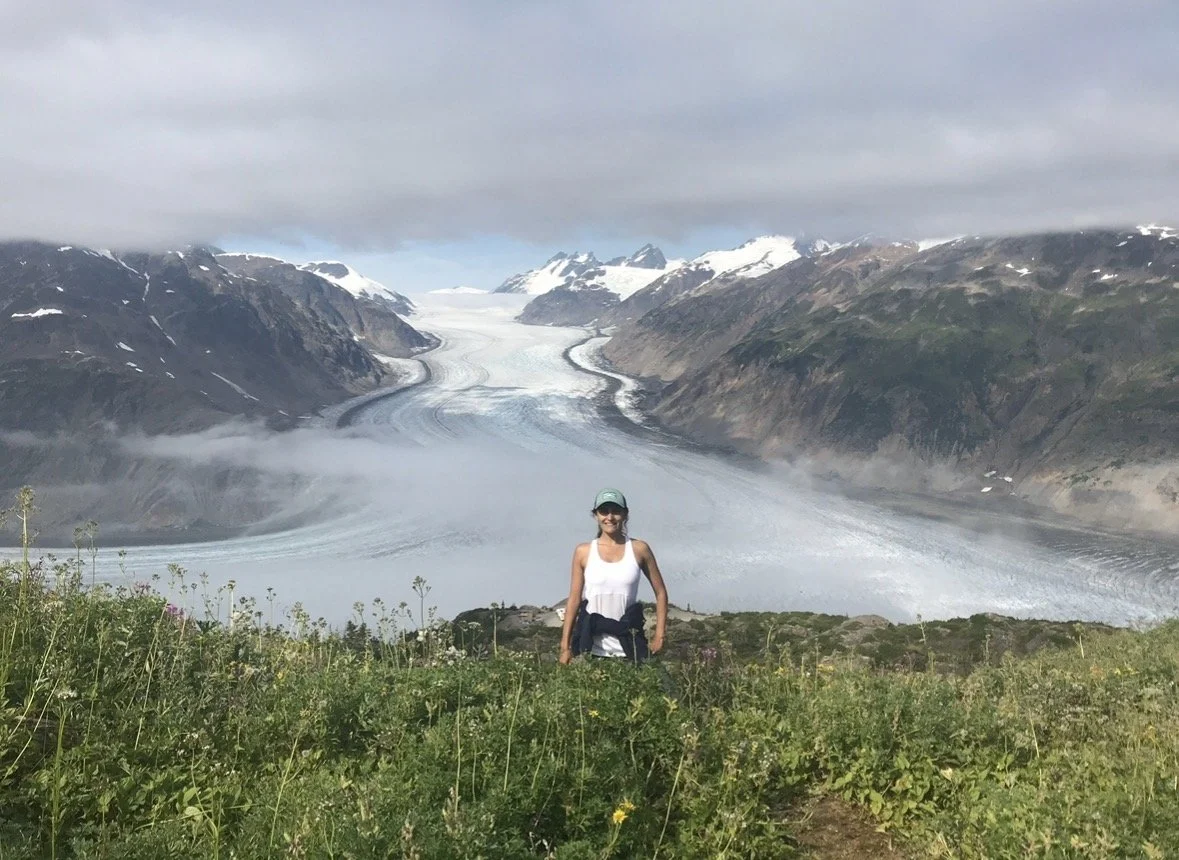
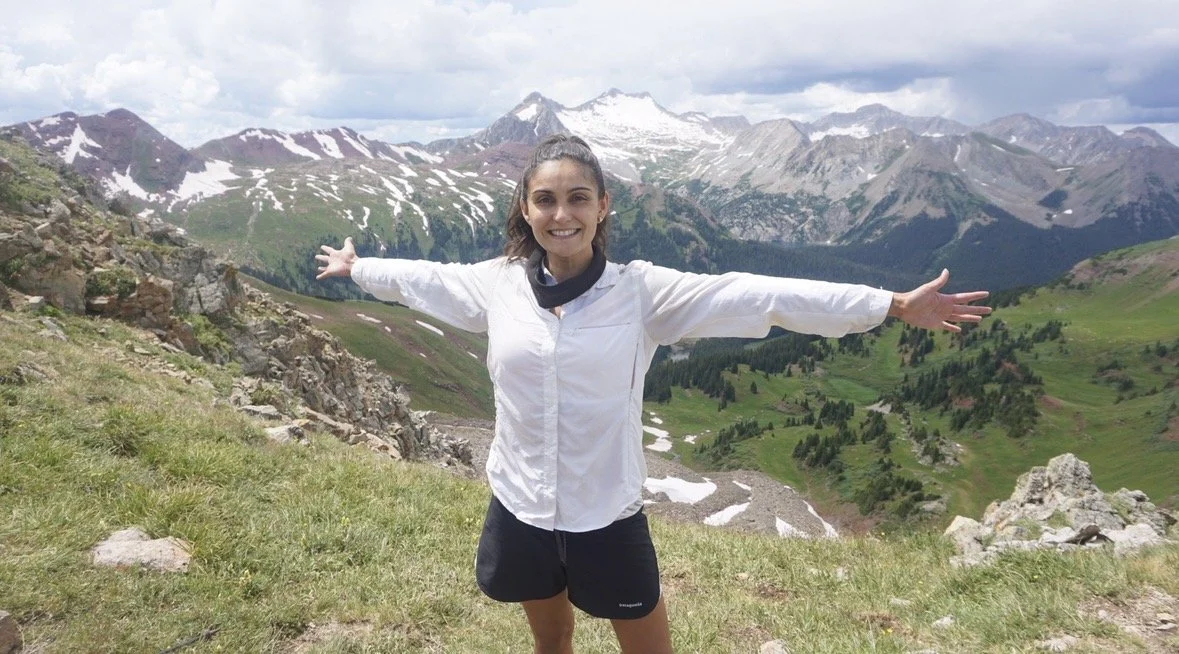
My dad taught us respect for the land and stewardship not with lectures, but through daily example. We relied on a well, so water was treated like the precious resource it is. Five-minute showers weren’t suggestions; they were a necessity. Electricity wasn’t guaranteed, and sometimes hot water wasn’t either. I learned at a young age that natural resources aren’t infinite or automatic; they are gifts.
At the time, I didn’t always appreciate it. Being far from the city, having to be careful with water, and living without conveniences wasn’t exactly glamorous. But as I grew older, those early lessons took root. Going home now, seeing my dad still living that same life, I’m reminded constantly that conservation starts at home. Stewardship doesn’t require owning acres of land, it’s a mindset. Whether it’s a small garden or open rangeland, it’s about reciprocity: acknowledging what the land gives you and taking responsibility for giving something back.
That ethos followed me when I left Springerville for Northern Arizona University, where I studied international affairs and Russian, far removed from conservation. But learning about other cultures, other systems, and other ways of relating to the world always brought me back to the same truth: everything is connected.
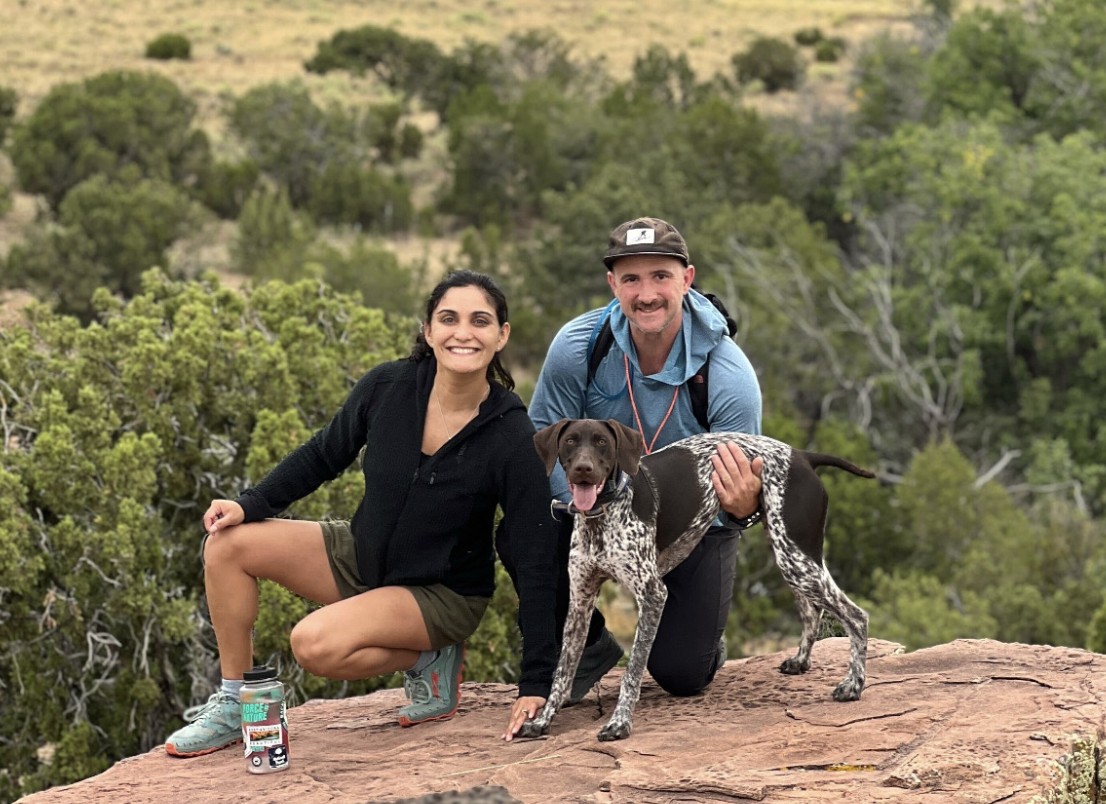
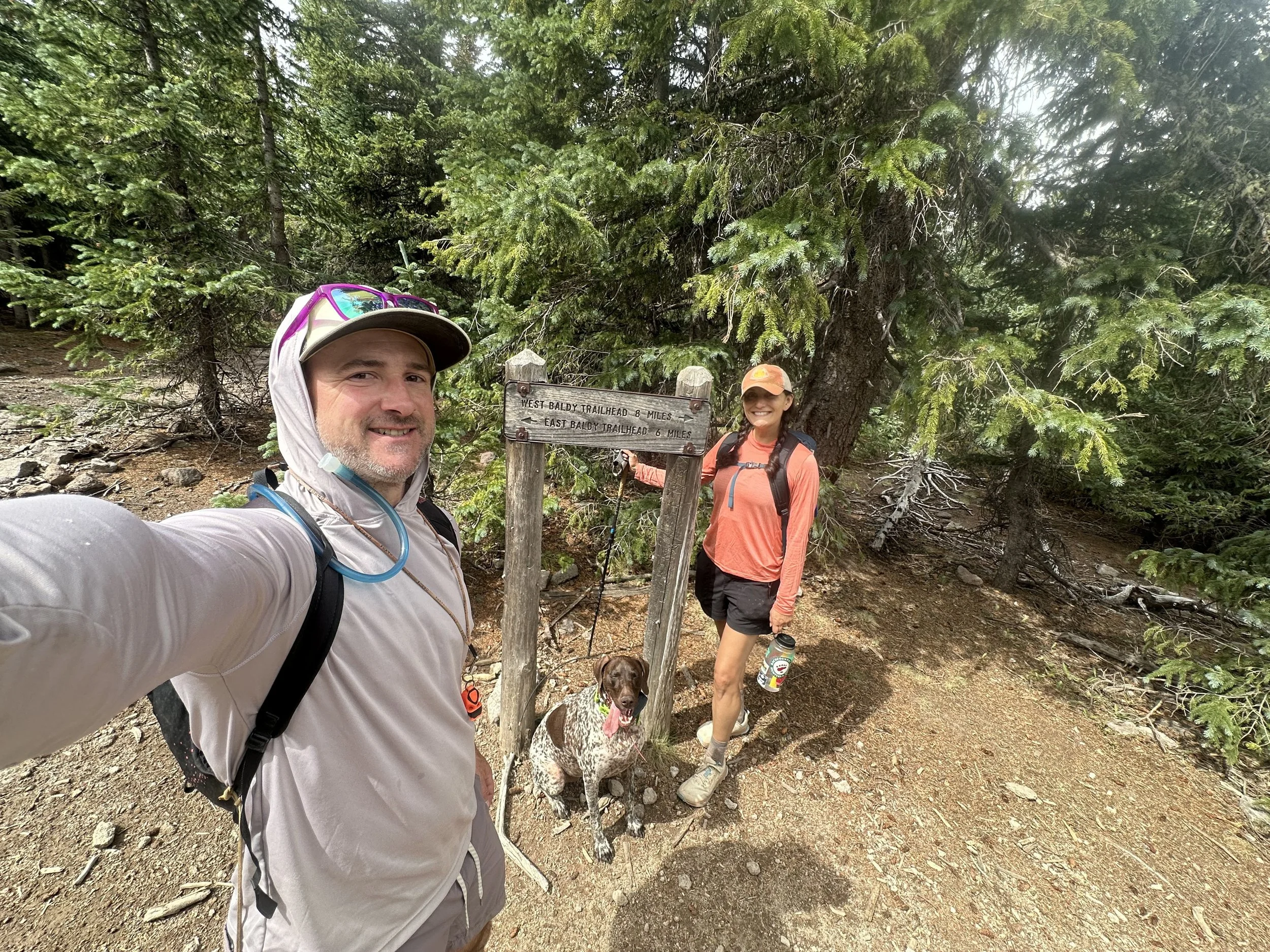
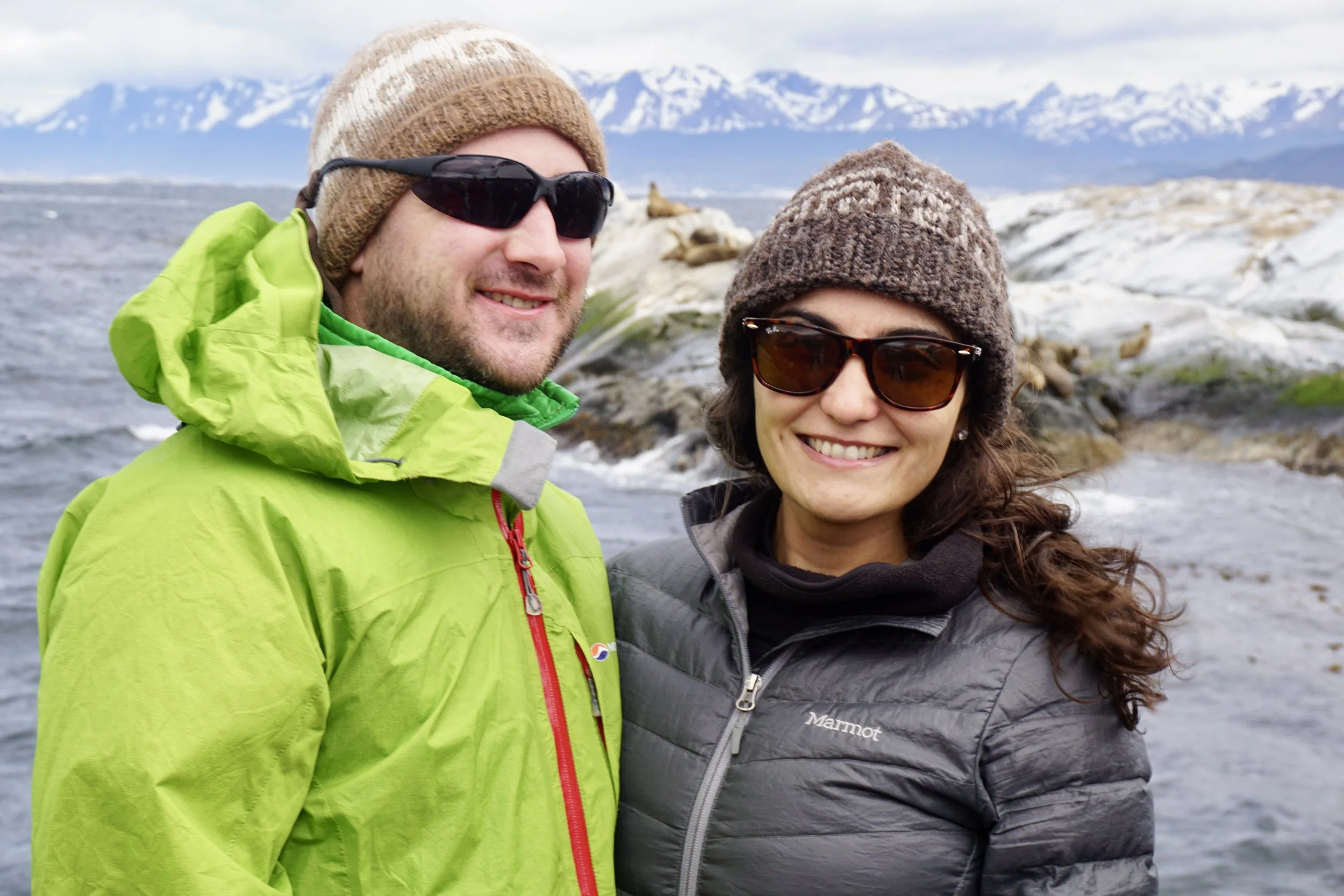
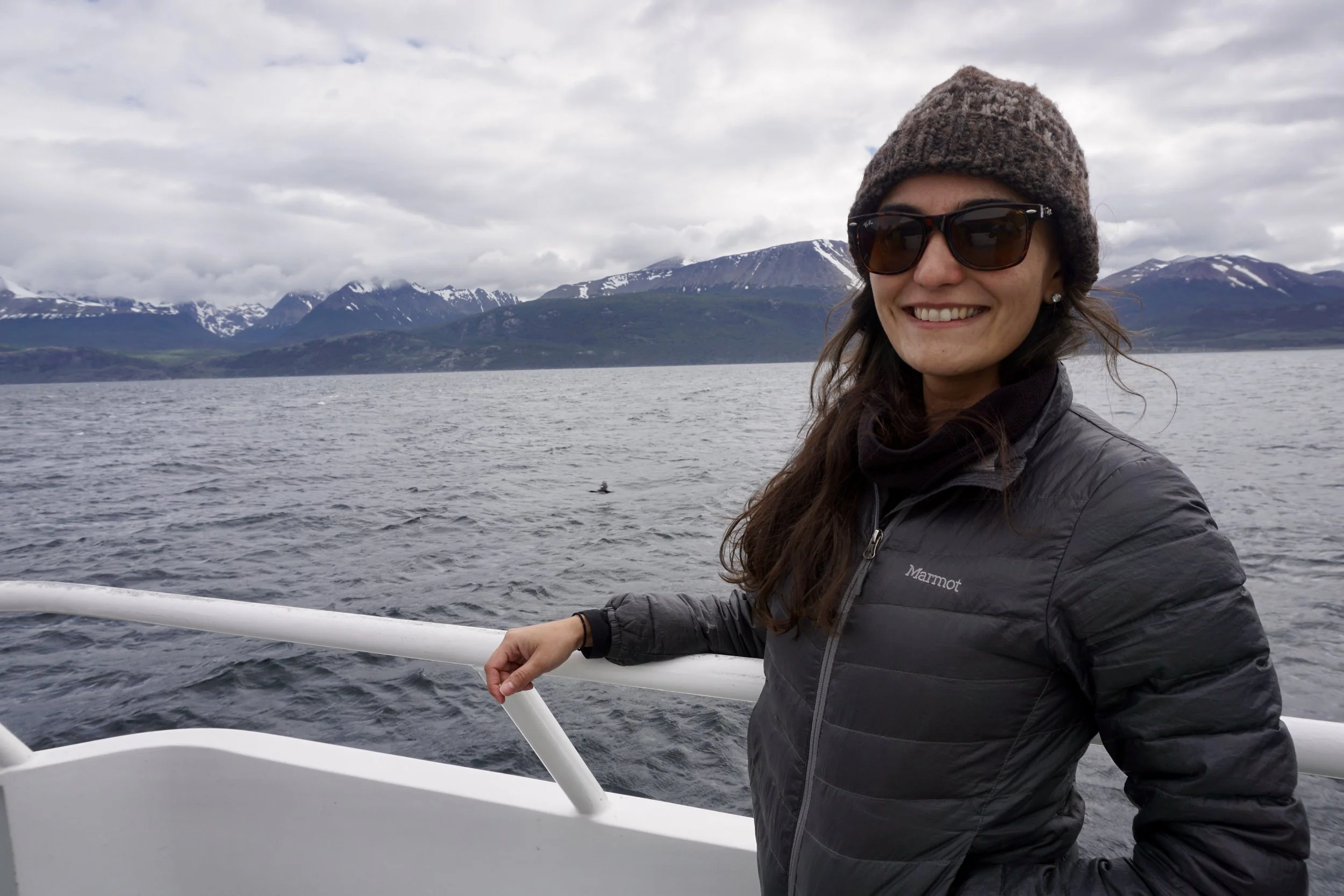
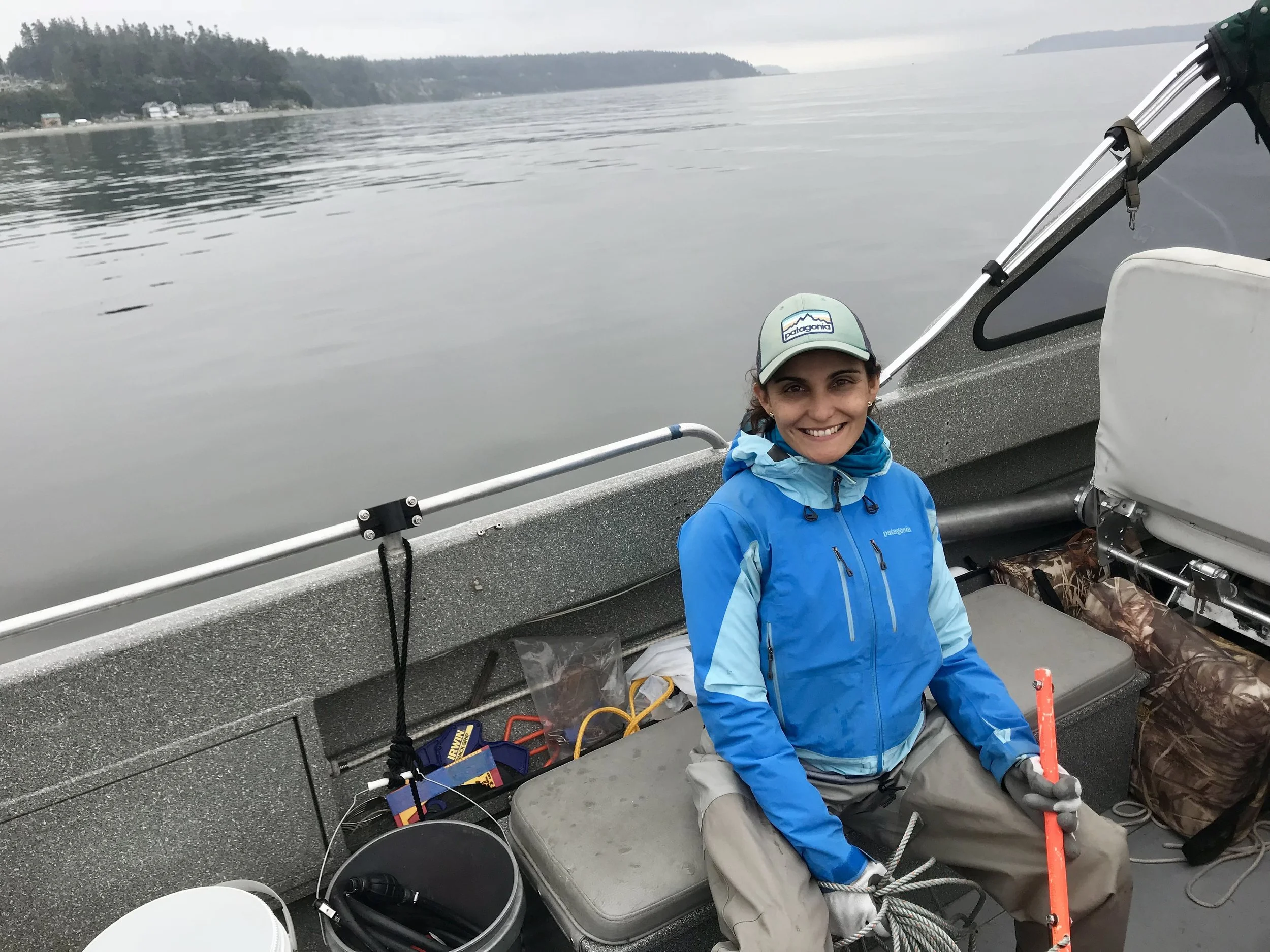
After NAU, I went to law school and then became an Assistant Attorney General working on child abuse and neglect cases. It was meaningful, necessary, and incredibly heavy work. Over time, I began to see a pattern in how people treat one another and how they treat the land. The most vulnerable, whether people or places, are often the ones ignored, exploited, or silenced. Still, I never planned to work in conservation.
Like many people in high-stress careers, I escaped through daydreams. During the most intense years of litigation, I found myself reading blogs about thru-hikers, people who had stepped away from everything familiar to find clarity on the trail. That’s how I first learned about the Arizona Trail. It planted a seed.
Eventually, the emotional toll of my work became too much. When my husband was offered a sabbatical, we built out our 4Runner and spent three months living out of our truck, traveling through the Rockies, Canada, Alaska, and down the Pacific Coast. That journey stripped life down to its essentials: water, food, shelter, and rest. Just like a thru-hike, it centered us.
When we returned to Arizona, my husband pointed out what I couldn’t ignore: I was a different person when I was outside. I was happier, lighter, and more myself.
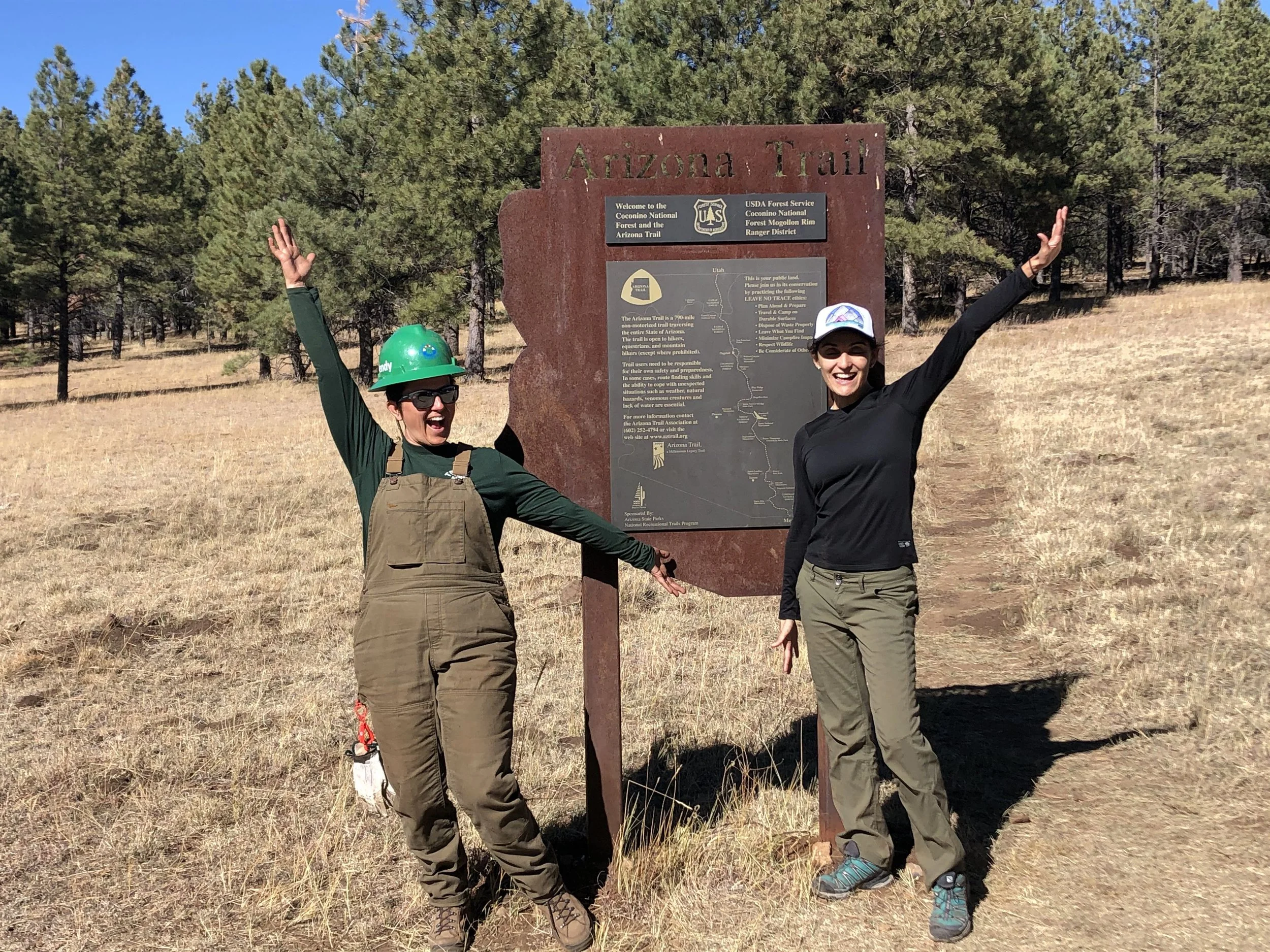
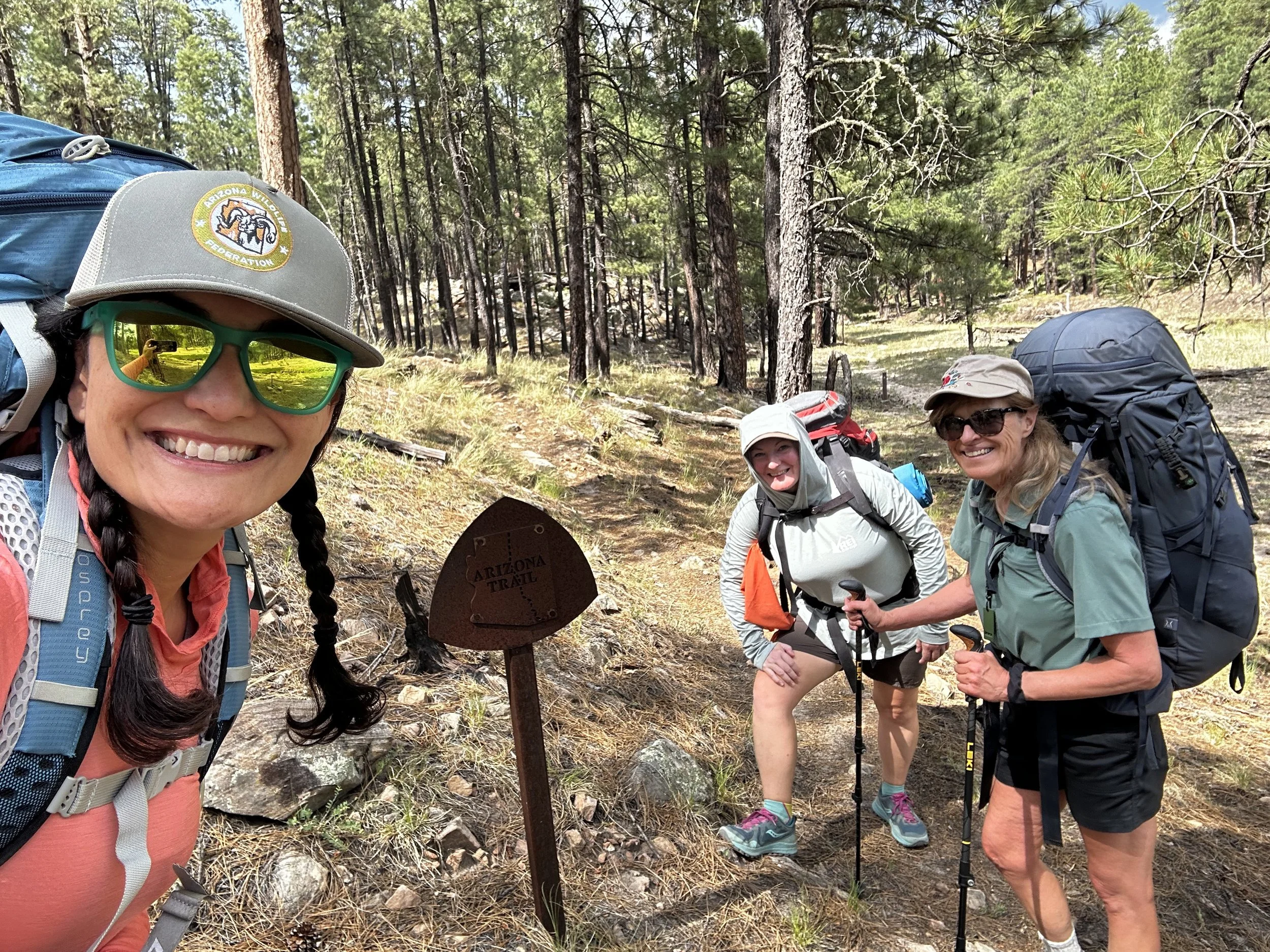
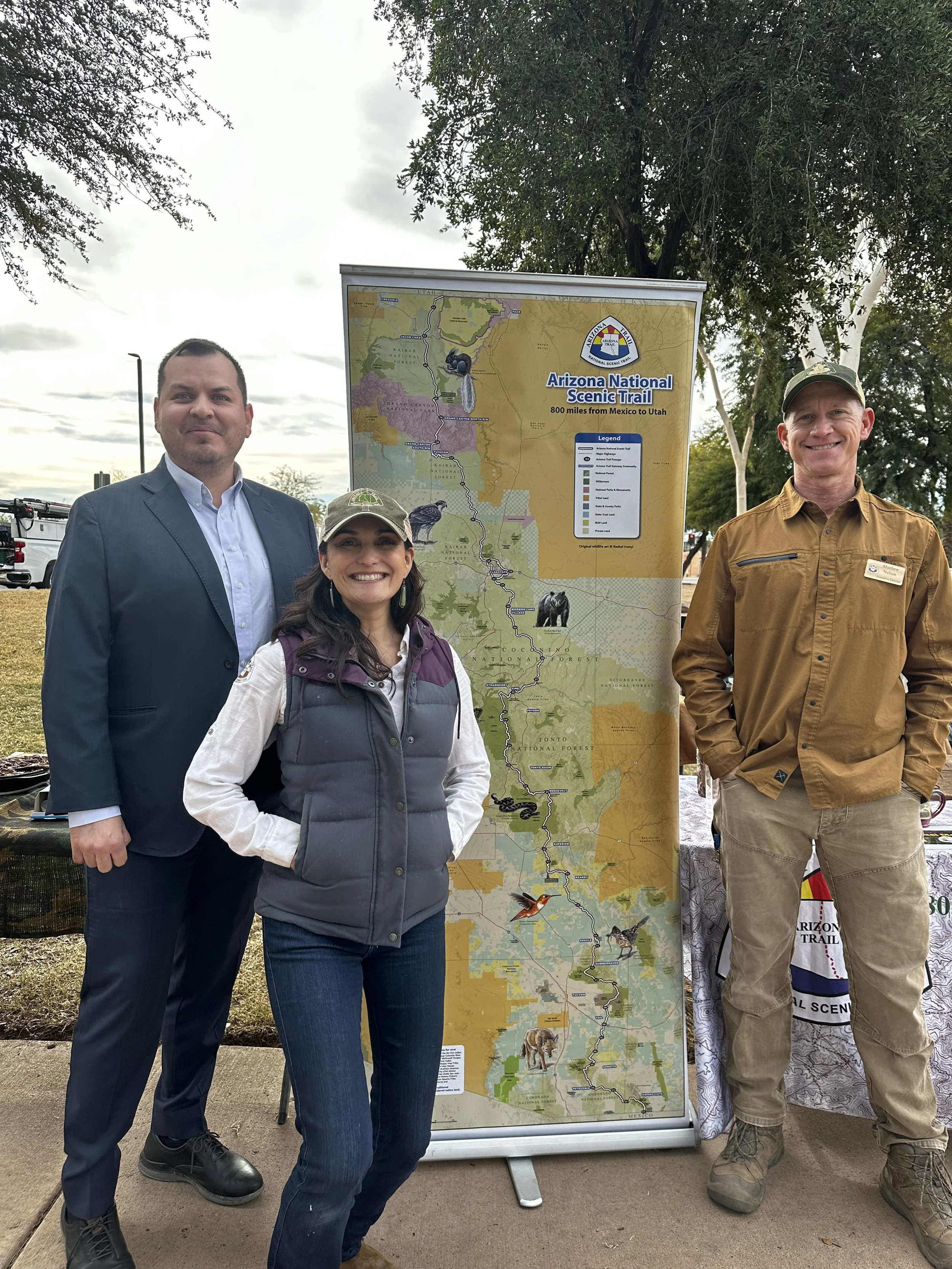
Walking away from a traditional legal career was not easy, especially as a Latina woman. I had worked relentlessly to get there. I carried a chip on my shoulder built from years of being told, directly or indirectly, that I didn’t belong or couldn’t succeed. Letting go of that identity felt like failure, even though my heart was pulling me elsewhere. That reckoning took time and courage.
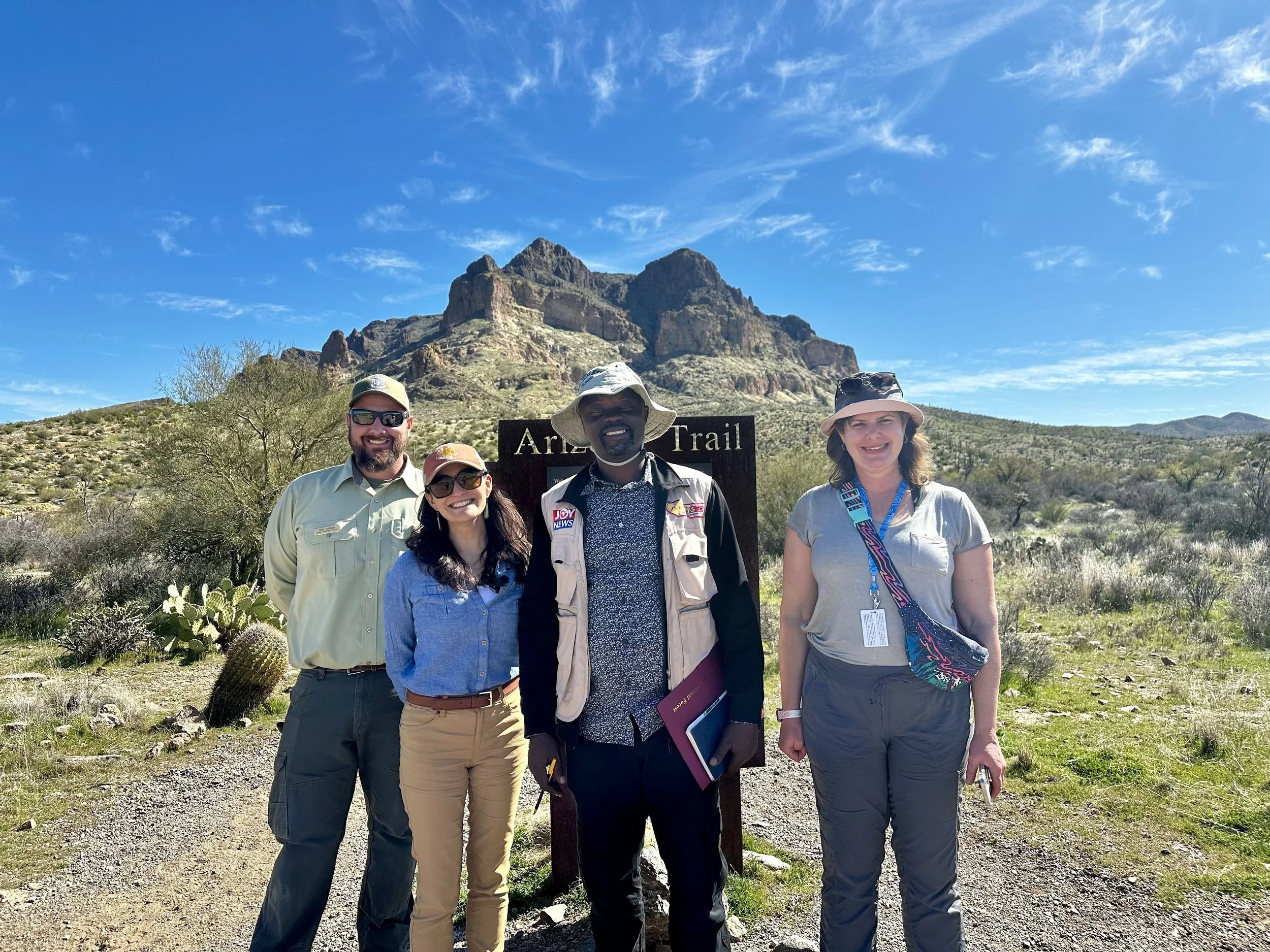
My entry point into conservation came through a marketing coordinator position with REI, managing grants and supporting public lands initiatives. I didn’t have it all figured out, but I loved the work. It connected me with organizations across Arizona doing incredible things, including the Arizona Trail Association. Then COVID hit. My position was phased out, and once again I faced the question: do I go back to law, or do I commit fully to this new path?
When the opportunity came to join the Arizona Trail Association as Development Director, I wasn’t sure if it was right for me because fundraising and advocacy weren’t my background; all I had was a sincere love for the Trail itself, and someone who believed in me. And I’ve learned that advocating for something you believe in brings out the greatest passion and tenacity.
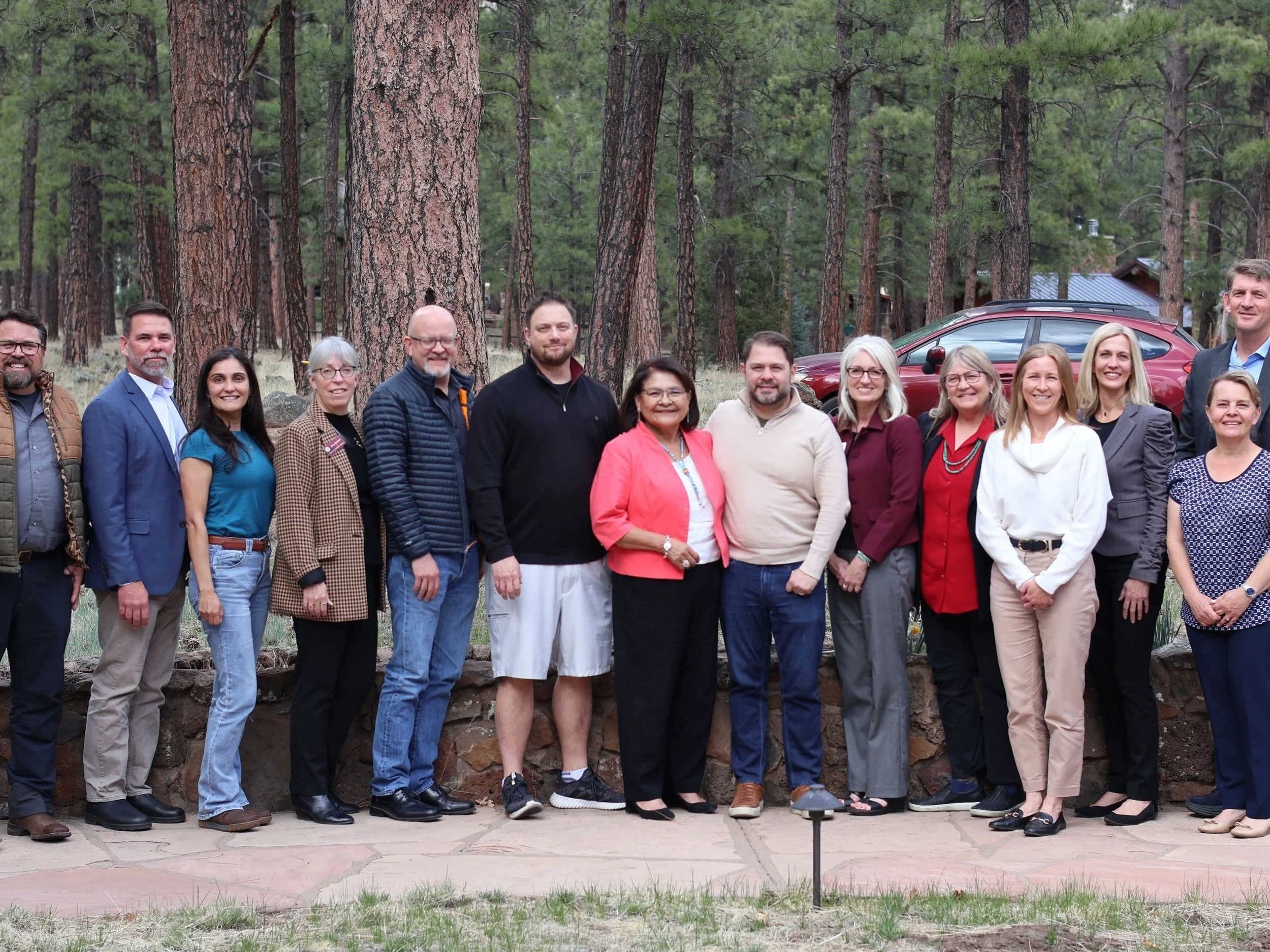
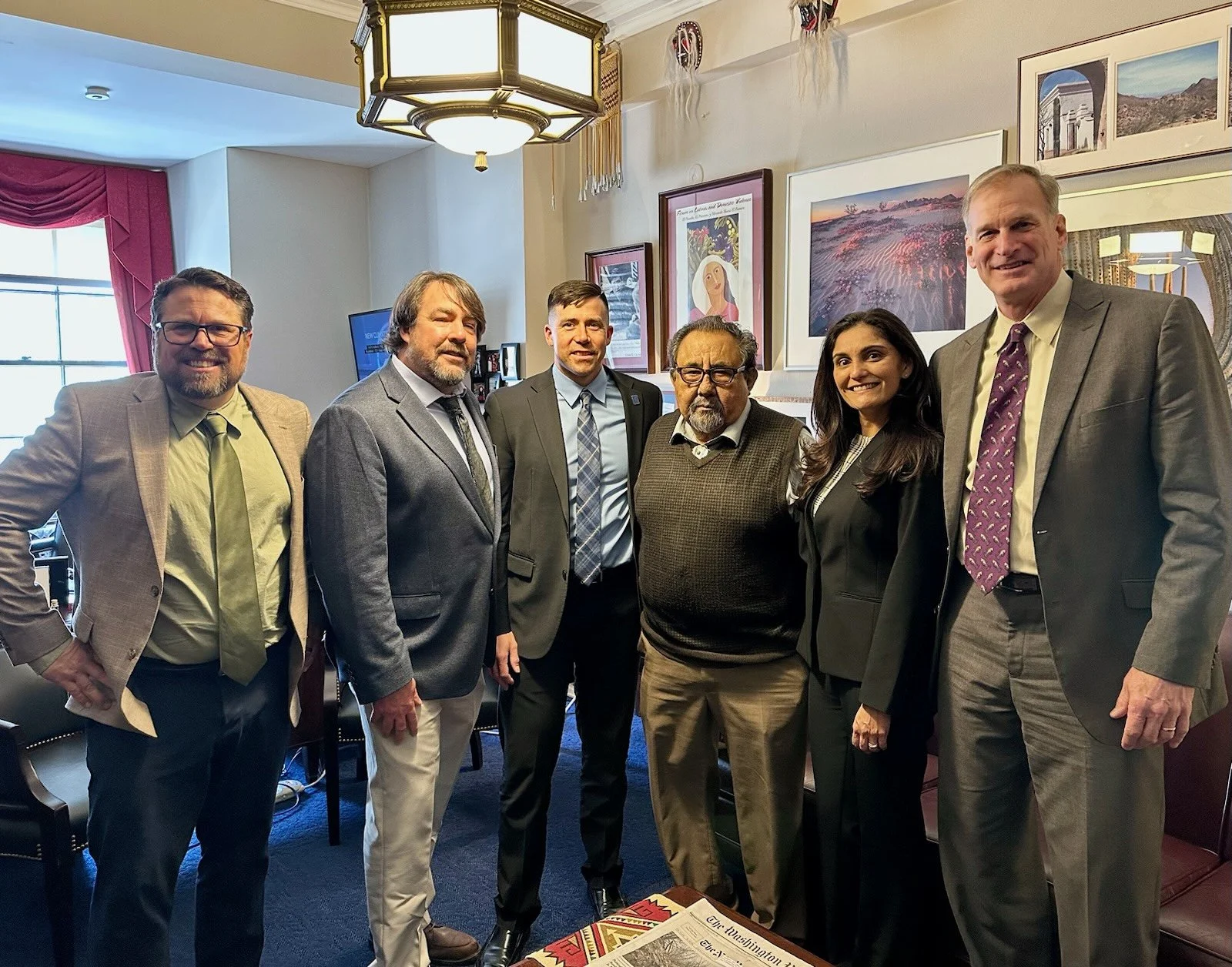
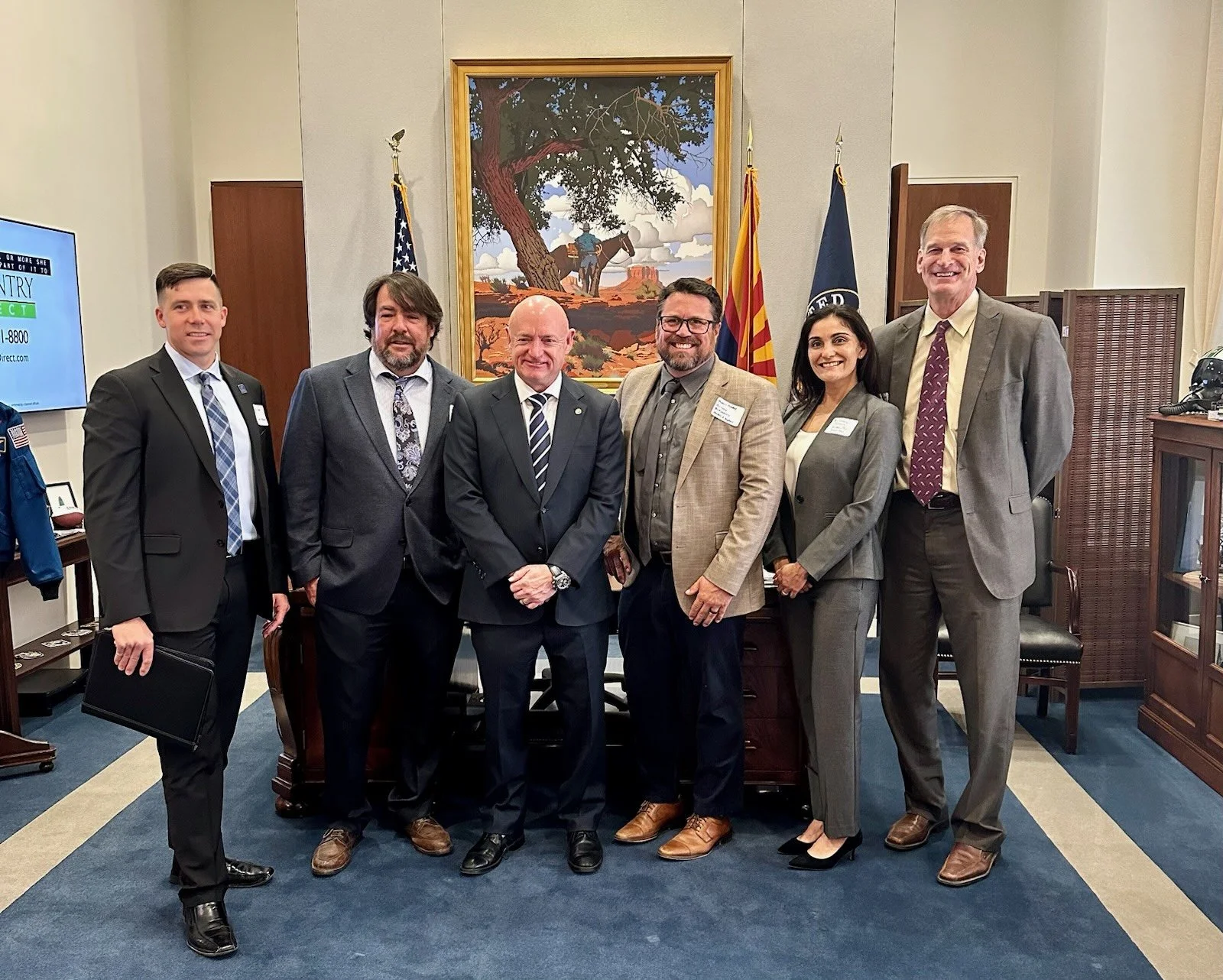
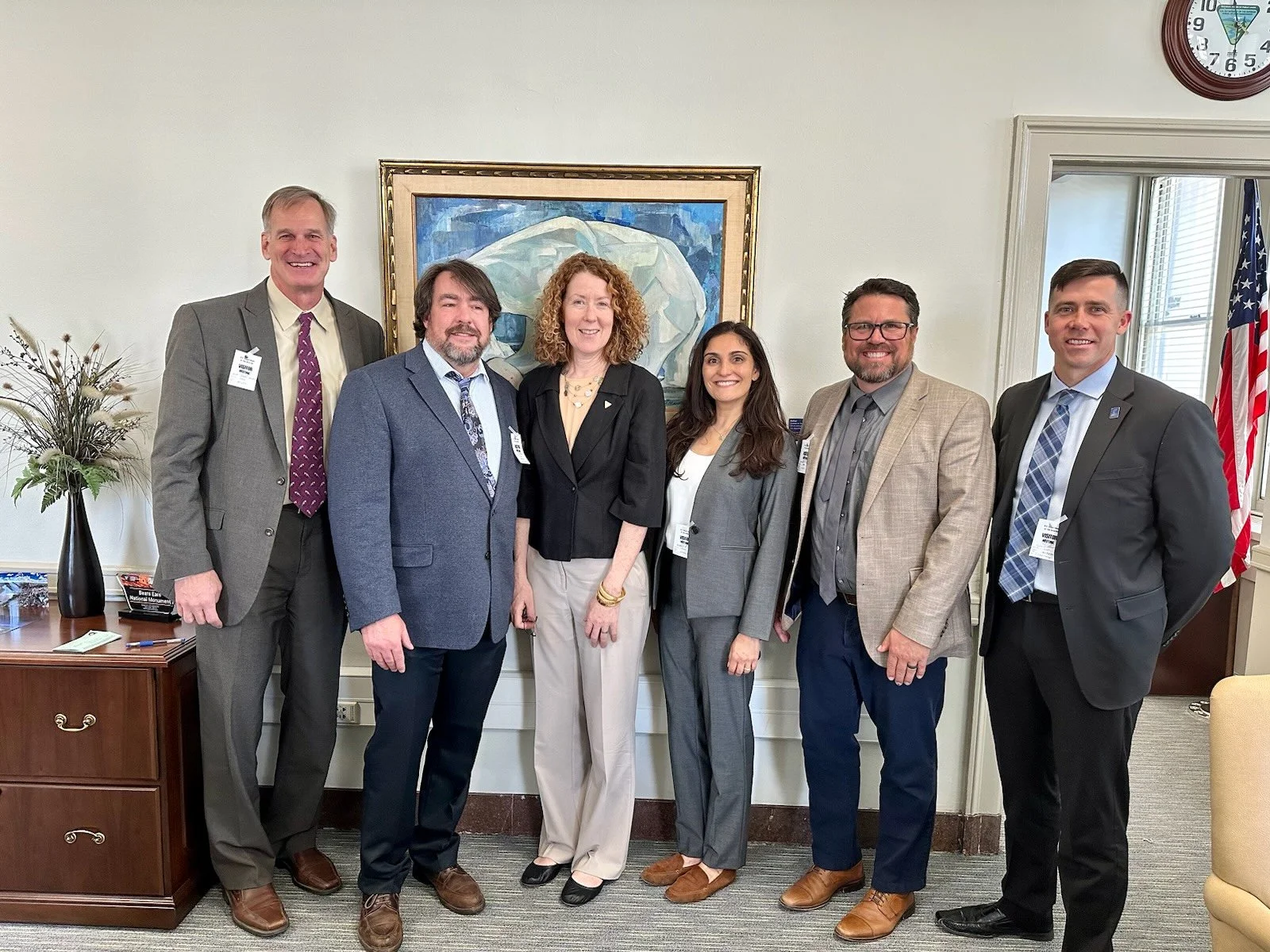
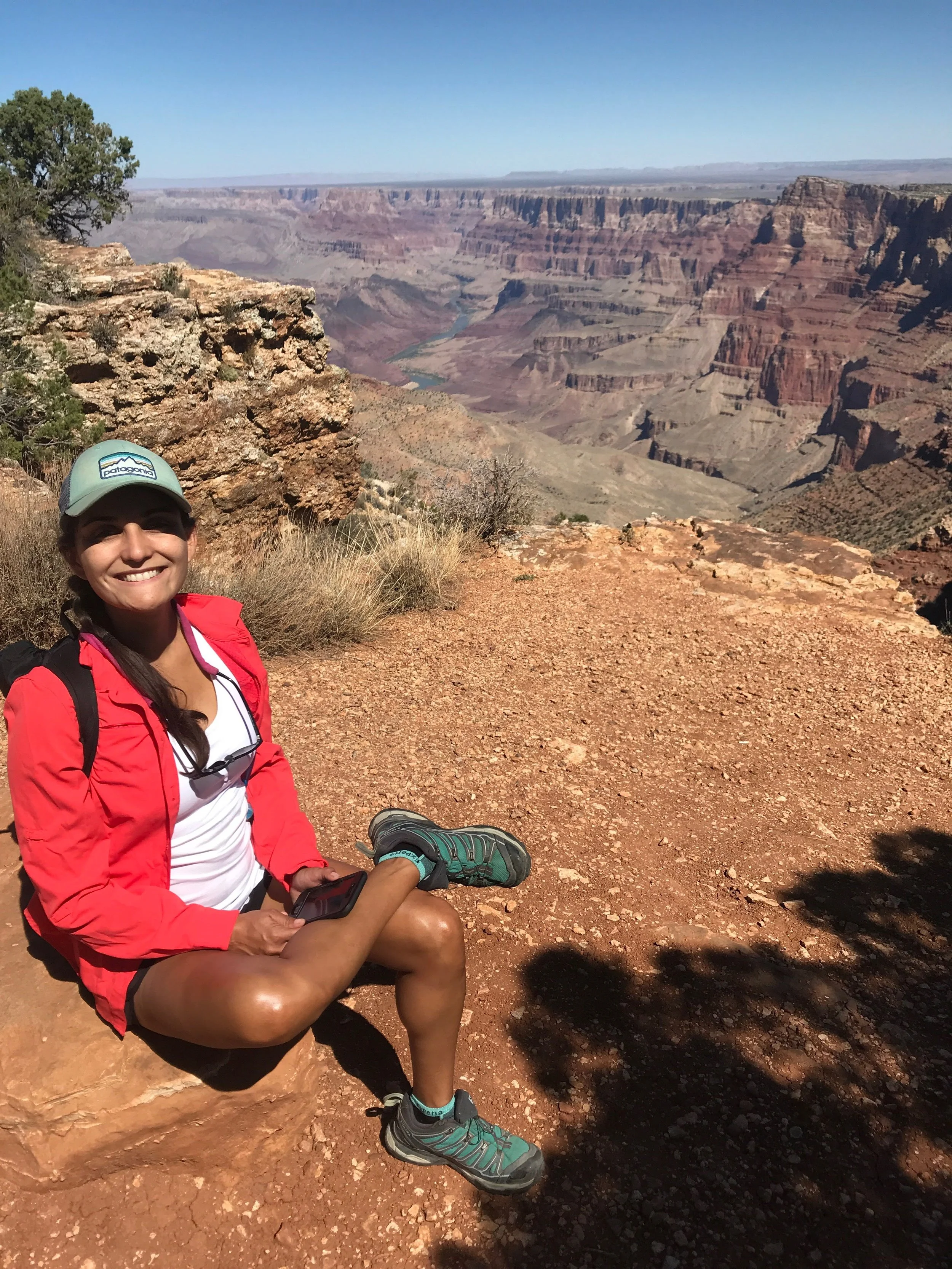
Today, my work is about protecting something that has given me so much. The Arizona Trail stretches 800 miles from Mexico to Utah, crossing deserts, mountains, forests, and snow-covered peaks. It’s wildly diverse, just like Arizona itself. And protecting it requires strategy, persistence, and people who care deeply.
This work isn’t easy. It’s always uphill. But it’s also deeply rewarding. I get to work alongside people who have dedicated their lives to conservation. People who find their motivation not in recognition, but in love for the land. That passion is contagious and inspires me every day.
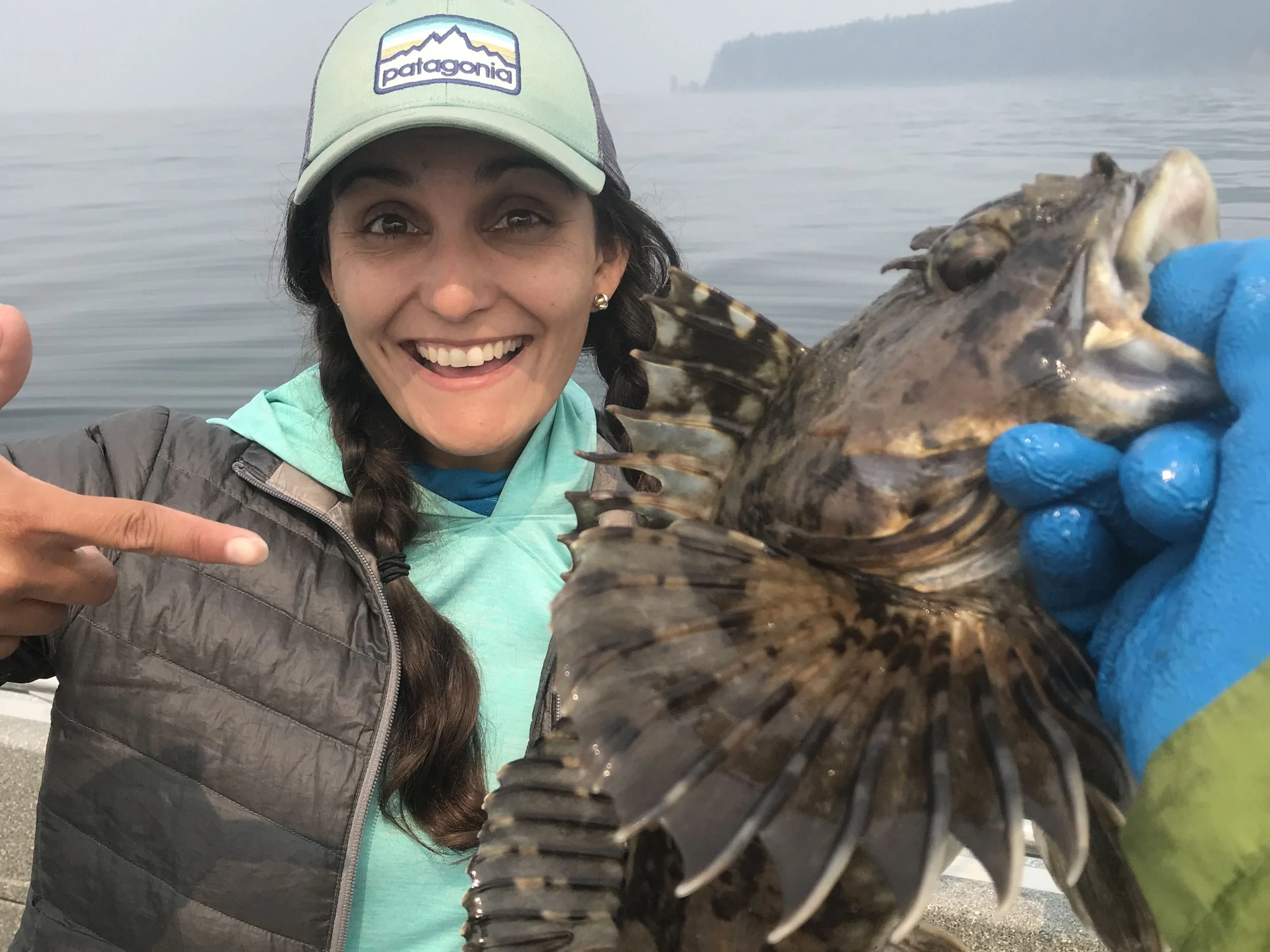
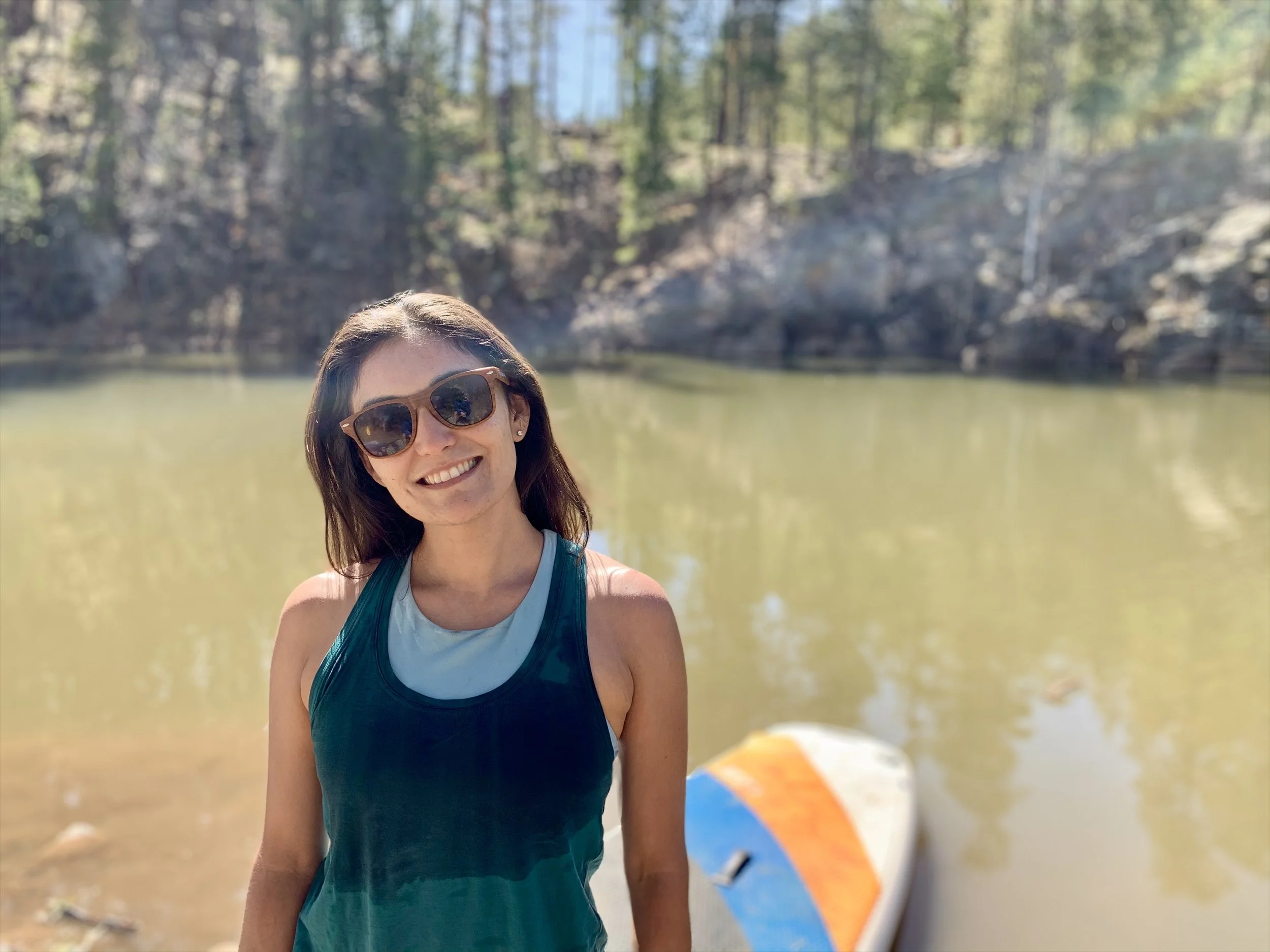
The outdoors has become my center. Every time I recreate outside, I come back feeling more connected to the world around me and the people living in it, more confident in my purpose, and more whole. As a Hispanic woman in conservation, I know our cultural roots, our lived experiences, and our resilience are strengths. We belong in these spaces. We have always belonged.