Lessons from the Arizona Desert: A Personal Journey into Conservation
By Baltazar Hernandez, Hispanic Conservation Leadership Council member.
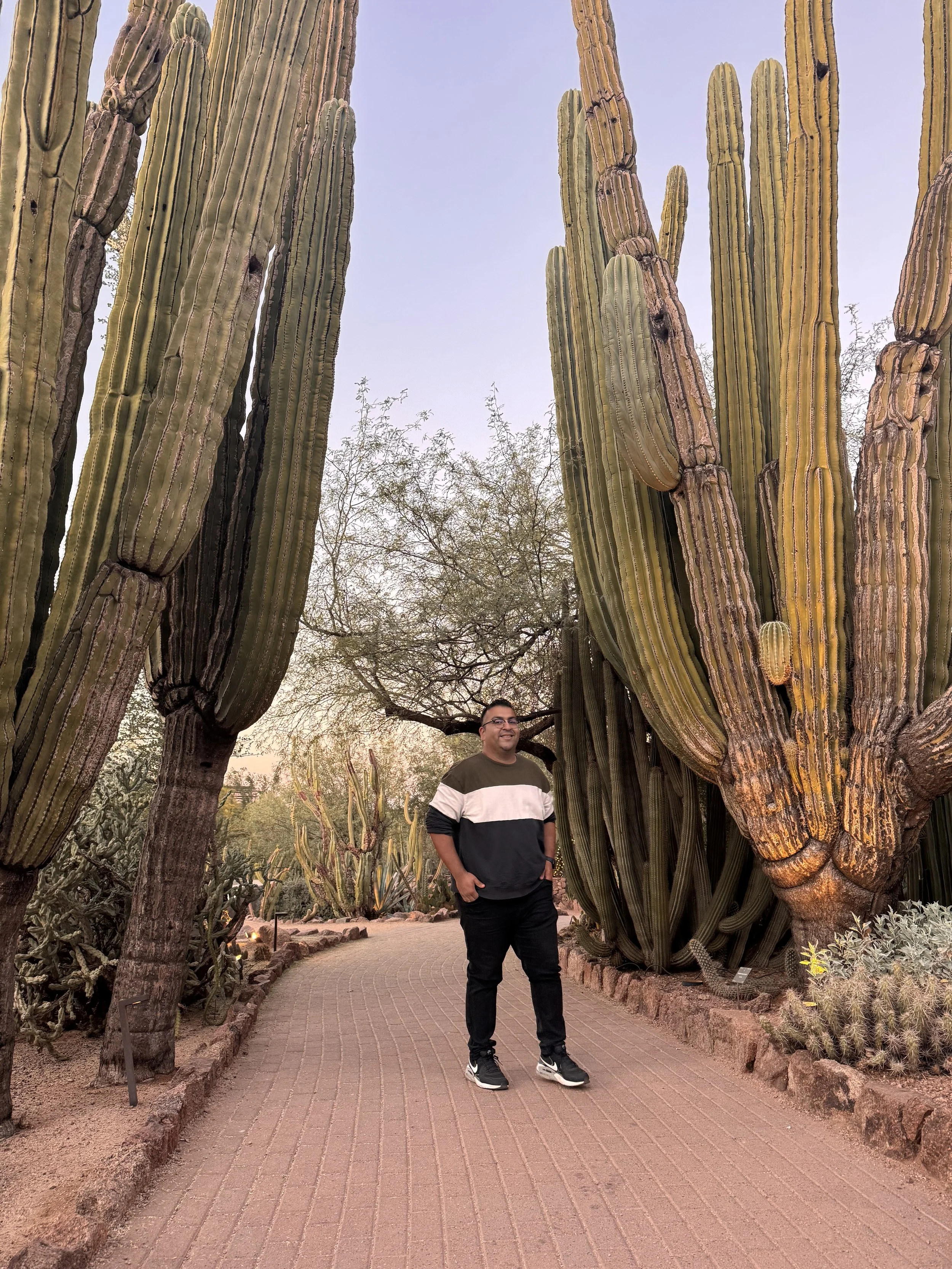
Although I was born and raised in Arizona, my family and I are deeply proud of and connected to our Mexican heritage, language, and culture. My father immigrated from rural Chihuahua, Mexico, while my mom is a third-generation Mexican American. Growing up in a state as beautiful as Arizona, with its vast outdoors and roughly 30 million acres of federal public lands, instilled in me a deep appreciation for the natural world.
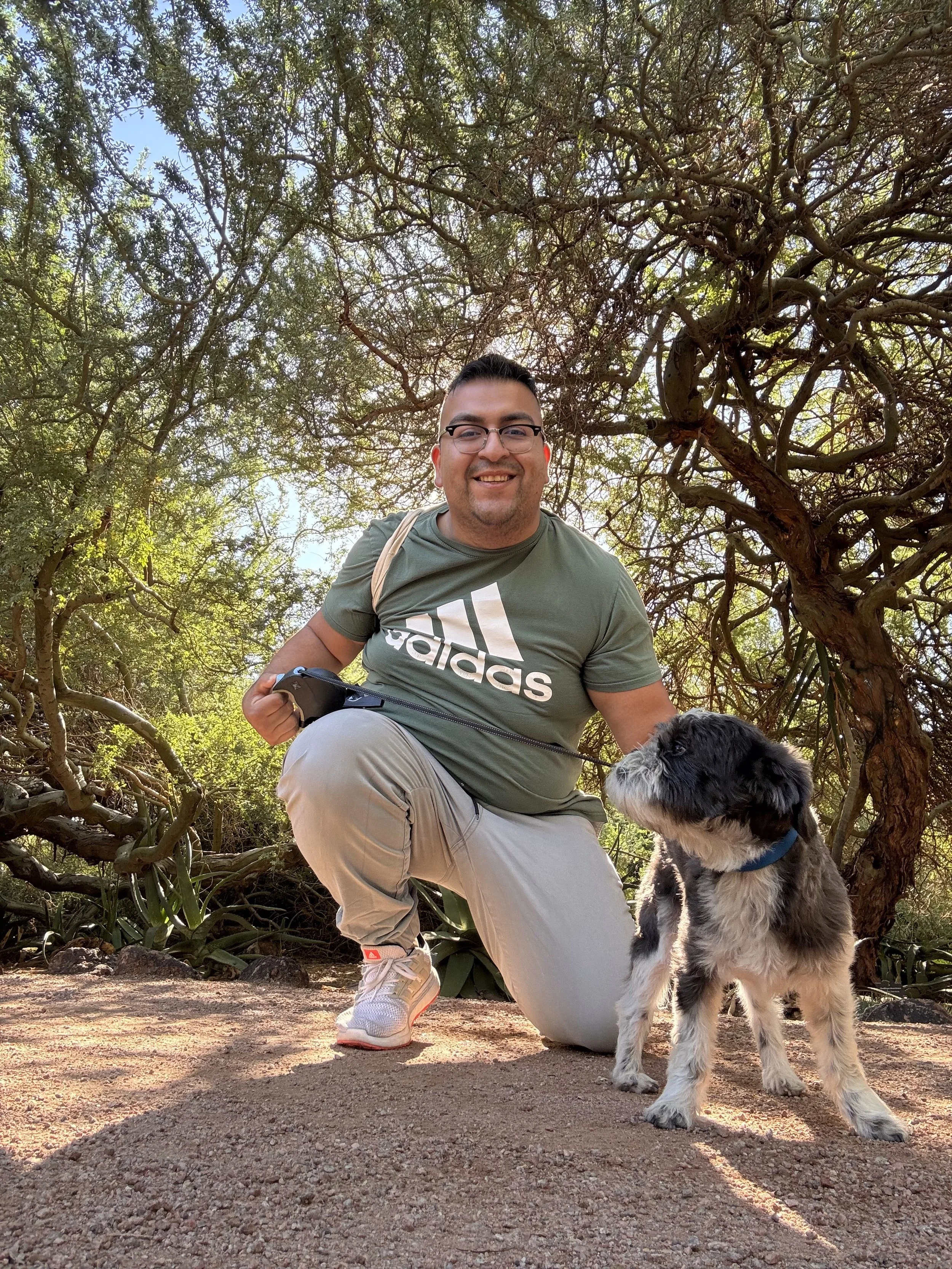
My upbringing played a defining role in how I view nature and conservation today. I spent my early childhood in the City of Chandler, within the Greater Phoenix metropolitan area, but my family later moved to the rural Town of Maricopa. That transition was life changing. In a rural setting, we had no choice but to immerse ourselves in the desert landscape around us.
We lived in a mobile home surrounded by acres of open desert land. During the rainy monsoon season, bullfrogs would wash up onto our front porch. We also encountered rattlesnakes, jackrabbits, and all kinds of poisonous and venomous snakes and lizards, as part of our everyday life. Experiencing nature and wildlife so closely was awe-inspiring, but it also taught me respect for the natural resources essential to survival in such a harsh environment.
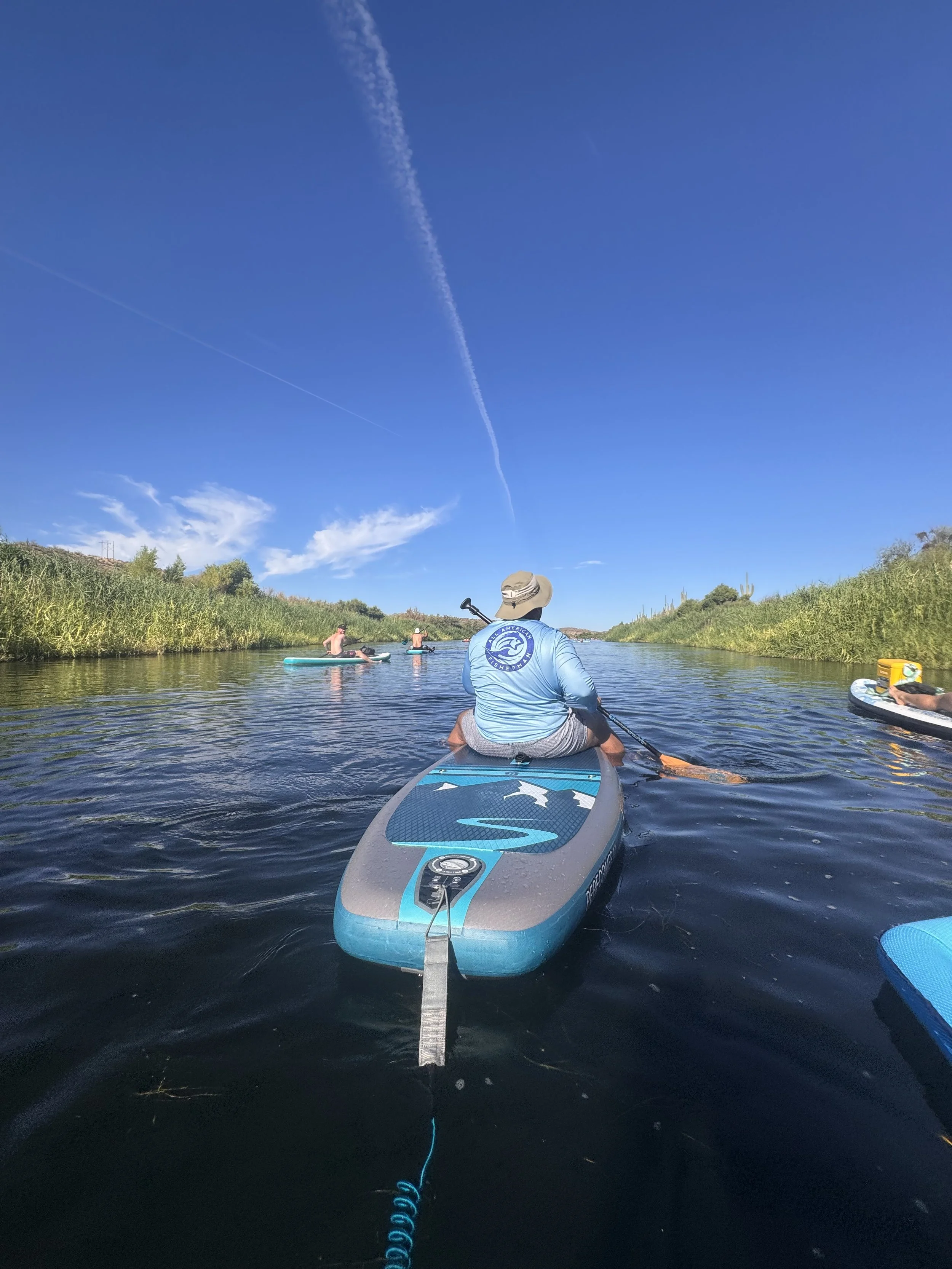
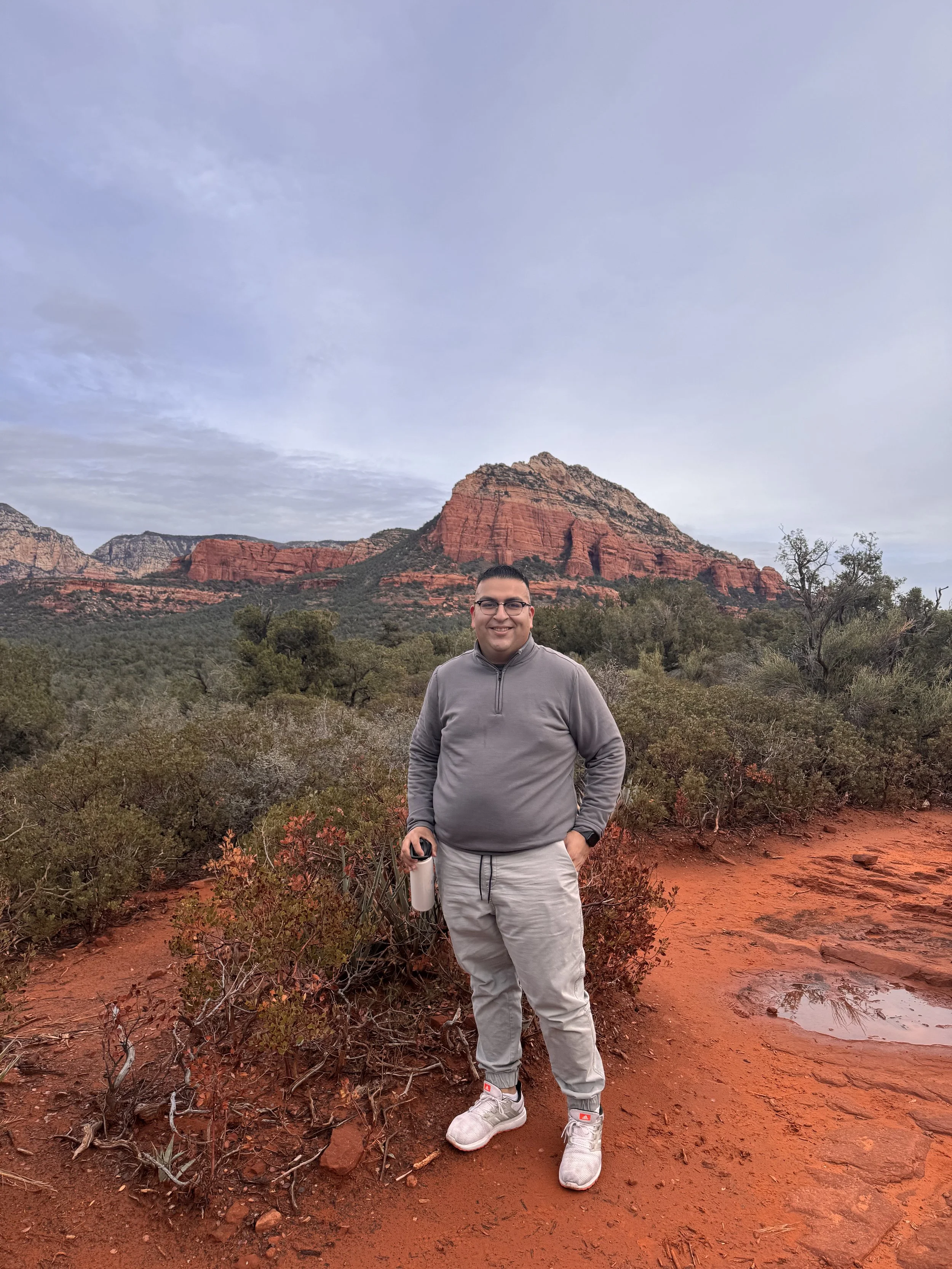
One of the clearest lessons came from water. Living in a rural area surrounded by the beautiful yet harsh desert landscape meant that we had no running water system. We relied on hauling water from a tank back to our mobile home for daily use. That experience made the reality of water scarcity tangible and personal.
Growing up, I also witnessed how the harsh desert environment and extreme weather conditions affected my father, who was regularly exposed to intense heat through his outdoor work in landscaping and golf course maintenance.
Watching the toll that heat and severe weather conditions took on him left a lasting impression on me. Those early experiences with water scarcity, extreme heat, and environmental exposure ultimately shaped my decision to pursue an education in public policy and influenced the work I do today.
Growing up in the Arizona desert, you learn to adapt to extreme heat. It becomes part of daily life. But many people endure these conditions without knowing what solutions exist to mitigate them. While my family adapted by staying indoors with air conditioning during the hottest months, many in our community do not have that option. Their livelihoods depend on outdoor work, even in dangerous heat.
Throughout my career, I have worked across government agencies, legislative offices, and nonprofit organizations. Most recently, I served as a program manager at The Nature Conservancy, and while TNC’s mission is on land and water conservation, my work focused on urban conservation and climate resilience in the Phoenix Metro area. In that role, I helped educate communities about the impacts of extreme heat, especially on outdoor workers and vulnerable populations, and shared practical, nature-based solutions. These included increasing tree canopy and vegetation to build neighborhood-level resilience and reduce the urban heat island effect. Raising awareness of the deep connections between people and the natural environment has been central to my work, and important to me personally.
Extreme heat, drought, and water security are major, interconnected concerns for me. In Arizona, about 40% of the state's land is federal public land. These shared spaces provide critical opportunities for outdoor recreation, support local economies, and help sustain communities across the state. Protecting them is essential not only for today, but for future generations.
Another challenge facing Arizona, especially the Phoenix metropolitan area, is rapid population growth, economic expansion, and ongoing development. Much of this construction relies on materials that absorb and retain heat, intensifying already extreme conditions. As we grow, we must be intentional about how development affects water availability, public health, and the environment.
We are all connected by these environmental and conservation challenges. What happens to our land, air, and water affects everyone, though some communities experience greater environmental harm due to environmental injustice. Addressing these issues will require all of us to work together to create lasting solutions. Rather than being bystanders, we can choose to get involved by advocating, educating others, holding our leaders accountable, and taking daily steps to protect the natural resources that sustain us all.